
Arre Baja presents:
The Mobula Migration
A short window each spring. The largest aggregation of devil rays on Earth. Limited seats on the boat — and they are already moving north.
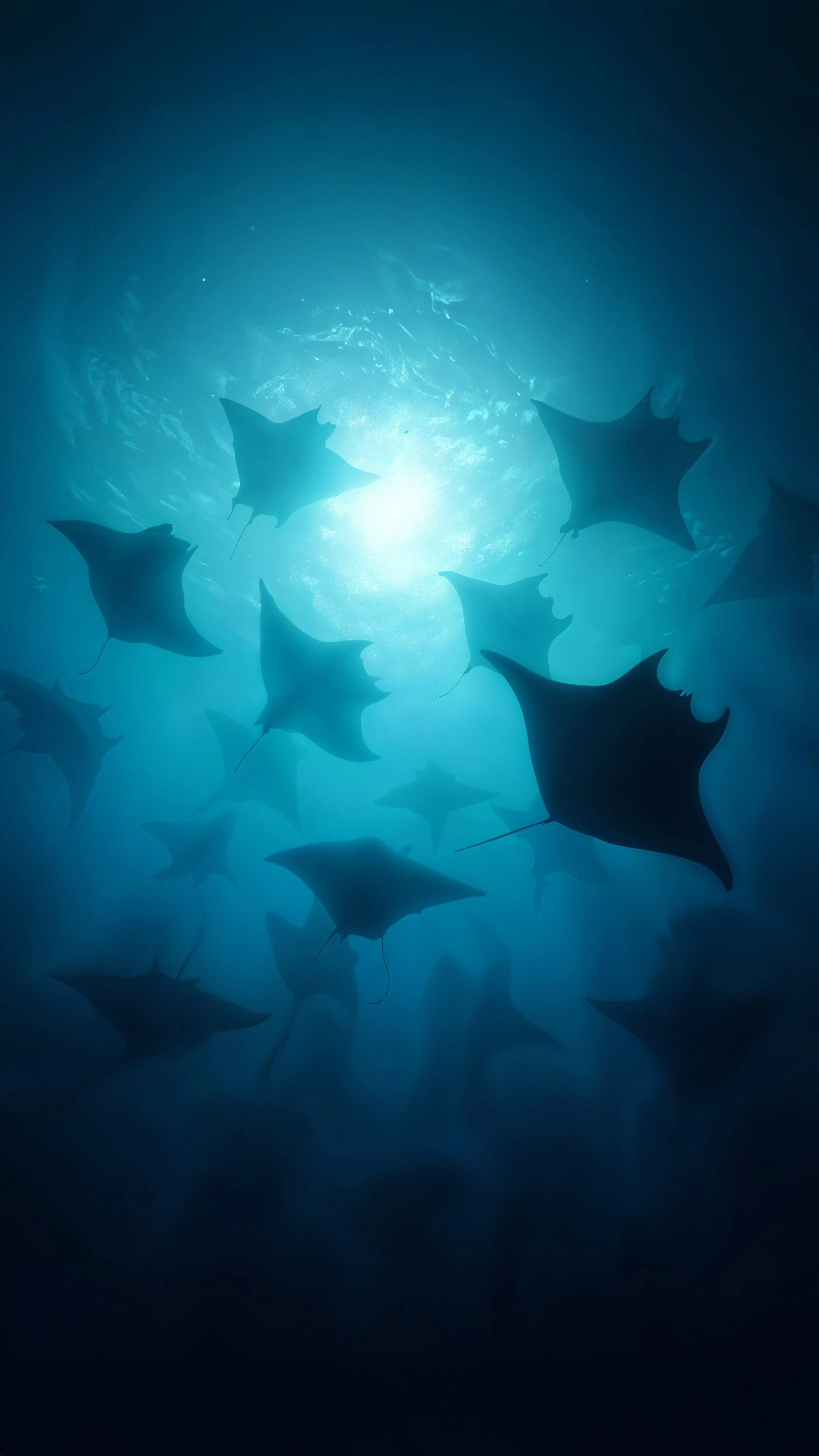
You drop in feet first.
The water is warm at the surface and cooler four feet down, where the fever starts.
The first mobula passes under your fin so close you could count the gill slits if there was time. Then the second. Then you stop counting.
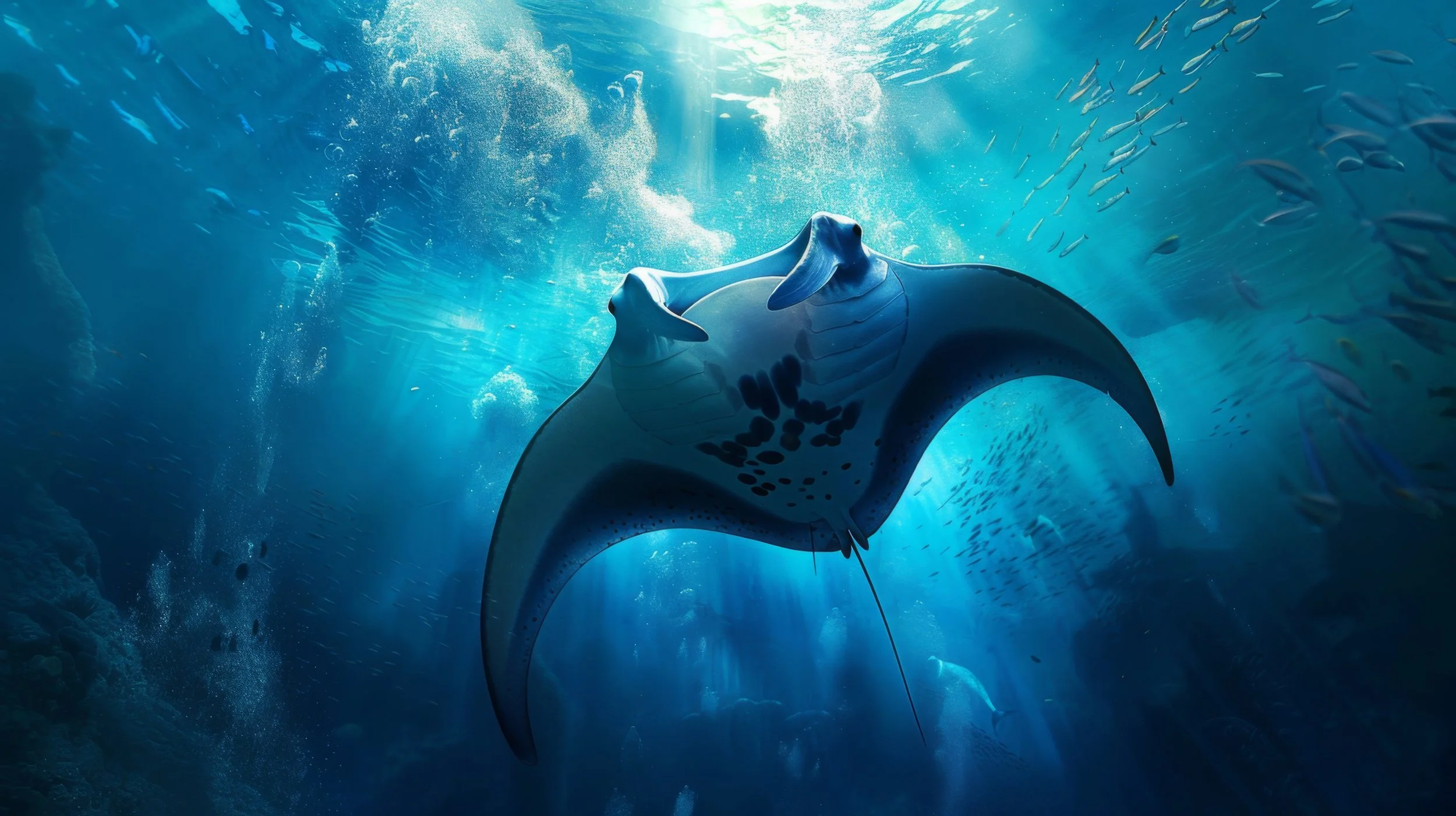
The fever (how it’s called a group of mobulas) moves as one body. Every wingtip mirrors the wingtip beside it. There is no sound except your own breathing through the snorkel — a flat, mechanical rasp that suddenly feels obscene. The rays do not look at you. They look around you, with one black eye, and keep moving.
You lose the surface. You lose the bottom. There is only the fever, sliding past, until the last ray clears your shoulder and the water goes blue and empty again.
When you come up, the boat is forty yards away. You did not feel yourself swimming.
You climb back in. Your hands are shaking. You don't notice for another half hour.
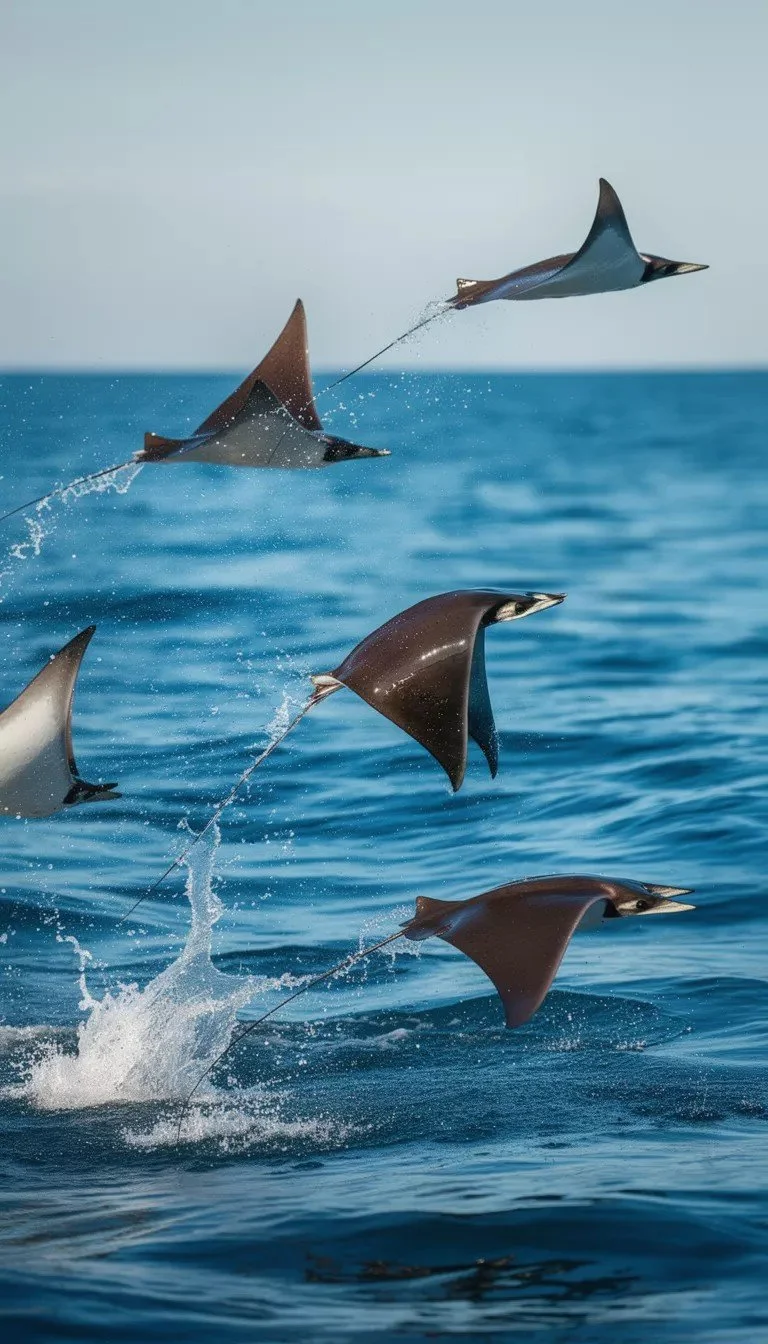
Mobula munkiana. The Munk's devil ray.
The species you just passed through is the smallest of the devil rays — about three feet across, wing tip to wing tip.
They are filter feeders. They eat plankton. They have no stingers, no teeth that matter, and no record of harming a snorkeler in the water with them.
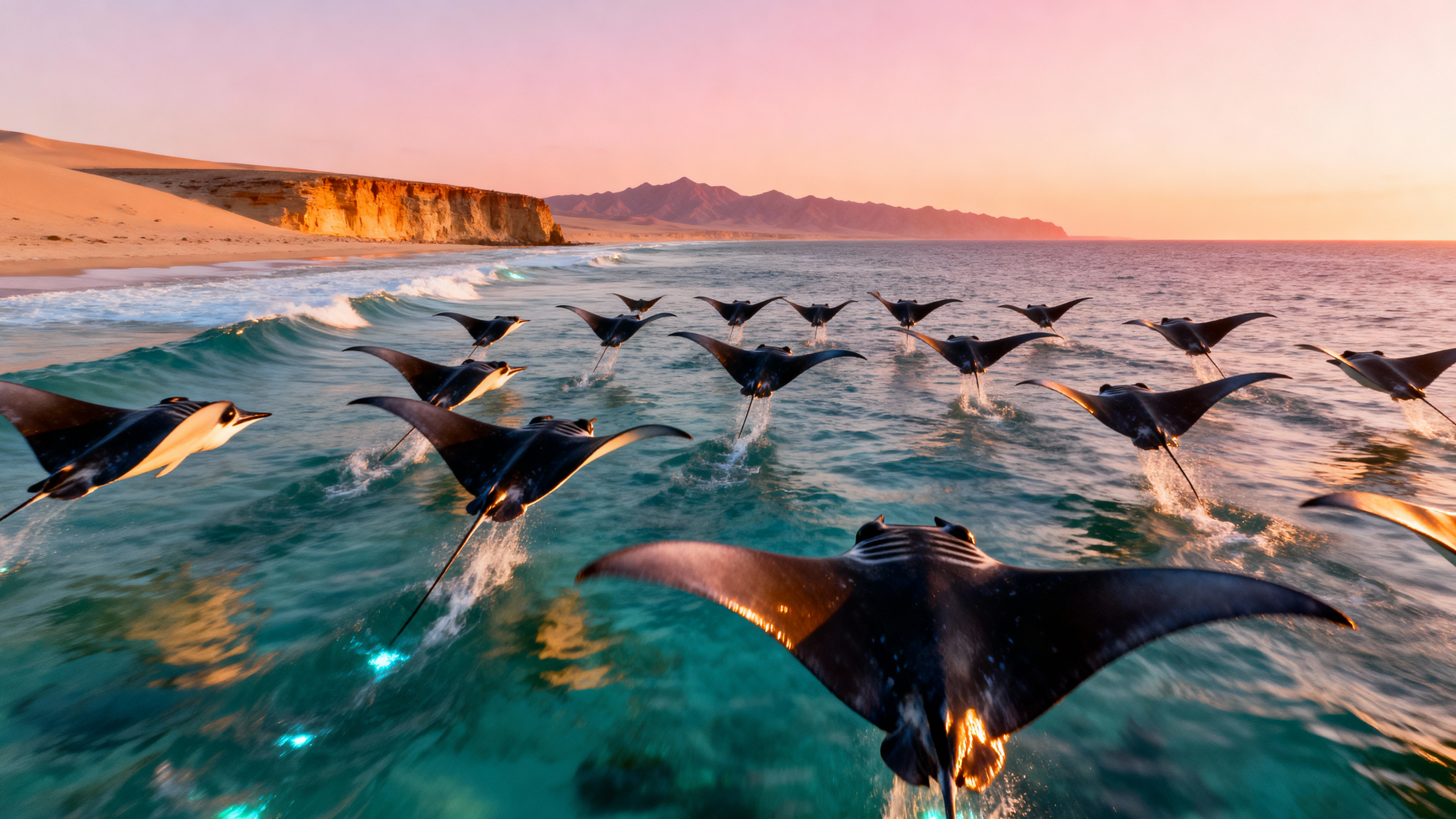
What they have is numbers. Every spring, from April into early July, the Sea of Cortez fills with them.
Tens of thousands per fever. From a drone, the formations look like ink spilling across the surface — except the ink keeps moving in shape, folding and unfolding for as long as you watch.
BBC's Blue Planet filmed it here. National Geographic comes back almost every year. Peak is mid-May to early June. After that, the rays disperse into deeper water, and the show closes for the year.
The migration is shrinking.
Mobula munkiana is listed as Vulnerable on the IUCN Red List. Bycatch in regional fisheries kills thousands every year. Warming water is shifting the peak forward by days each season. The migration still happens — but the people studying it most closely will tell you, off the record, that they are watching it compress.
The animal cannot reproduce fast enough to outrun the pressures stacking against it.
If you want to see the migration at the scale it currently runs, the time is now.
The numbers are not going up.
THE EXPERIENCE
How we put you in it
A boat that moves with the fever.
Most operators run from one bay. You go out, you come back, and if the fever is forty miles north that week, you don't see it.
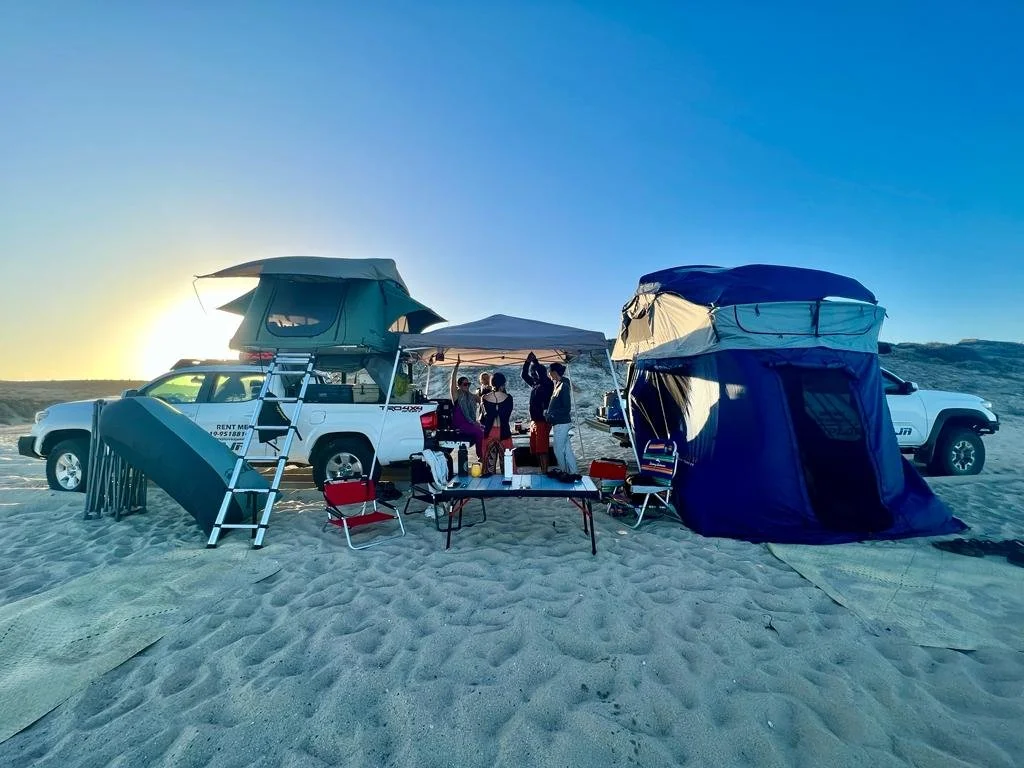
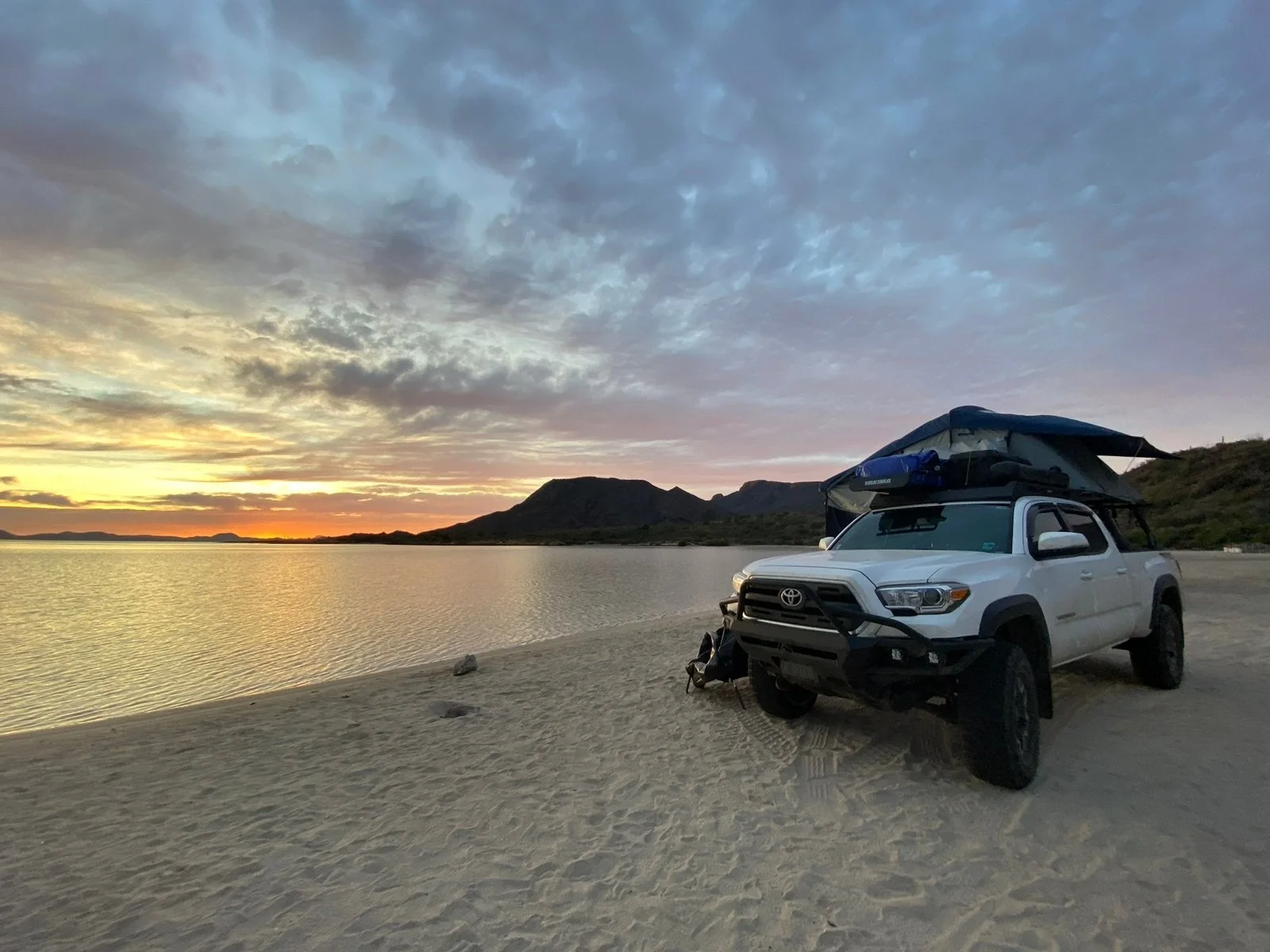
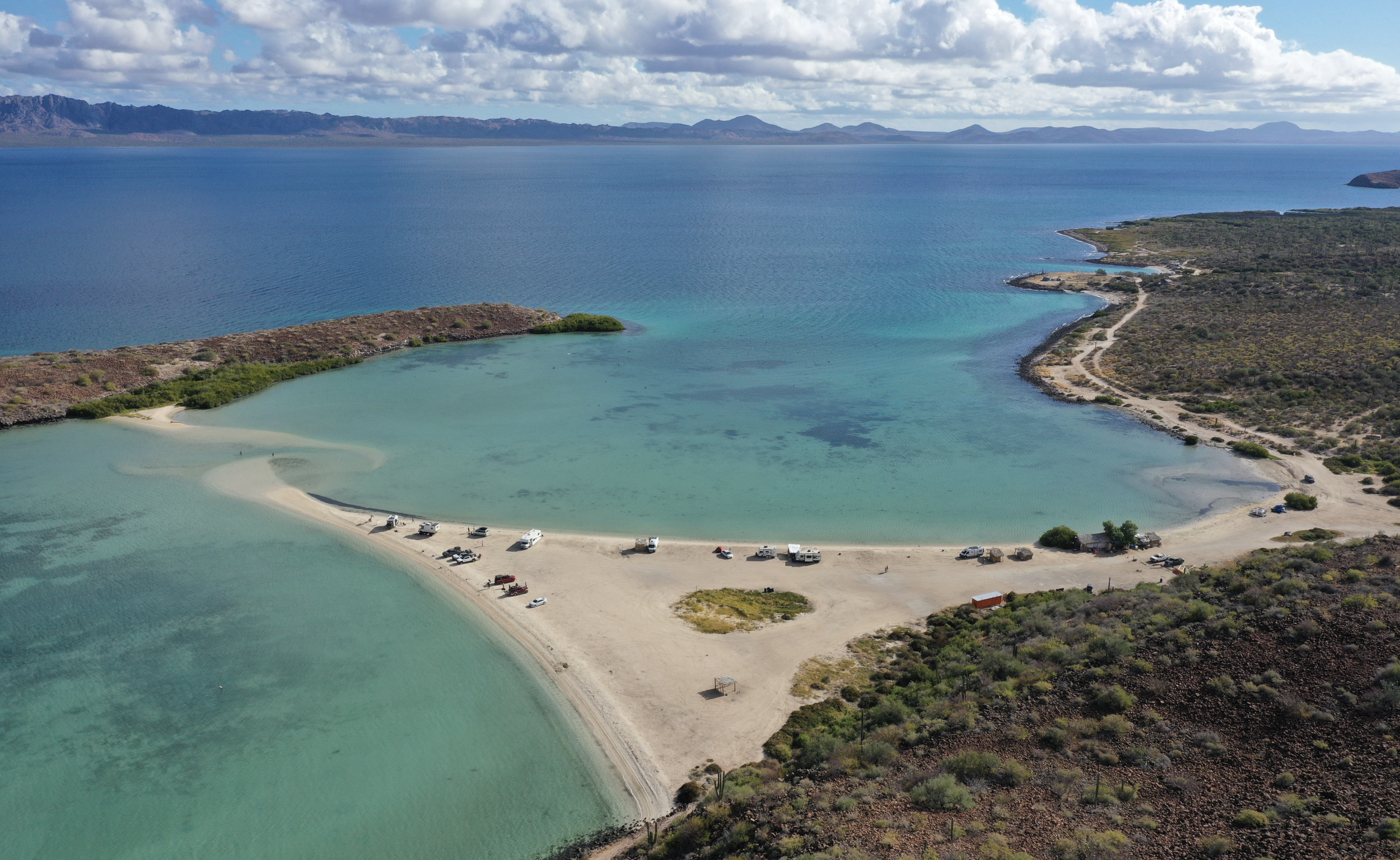
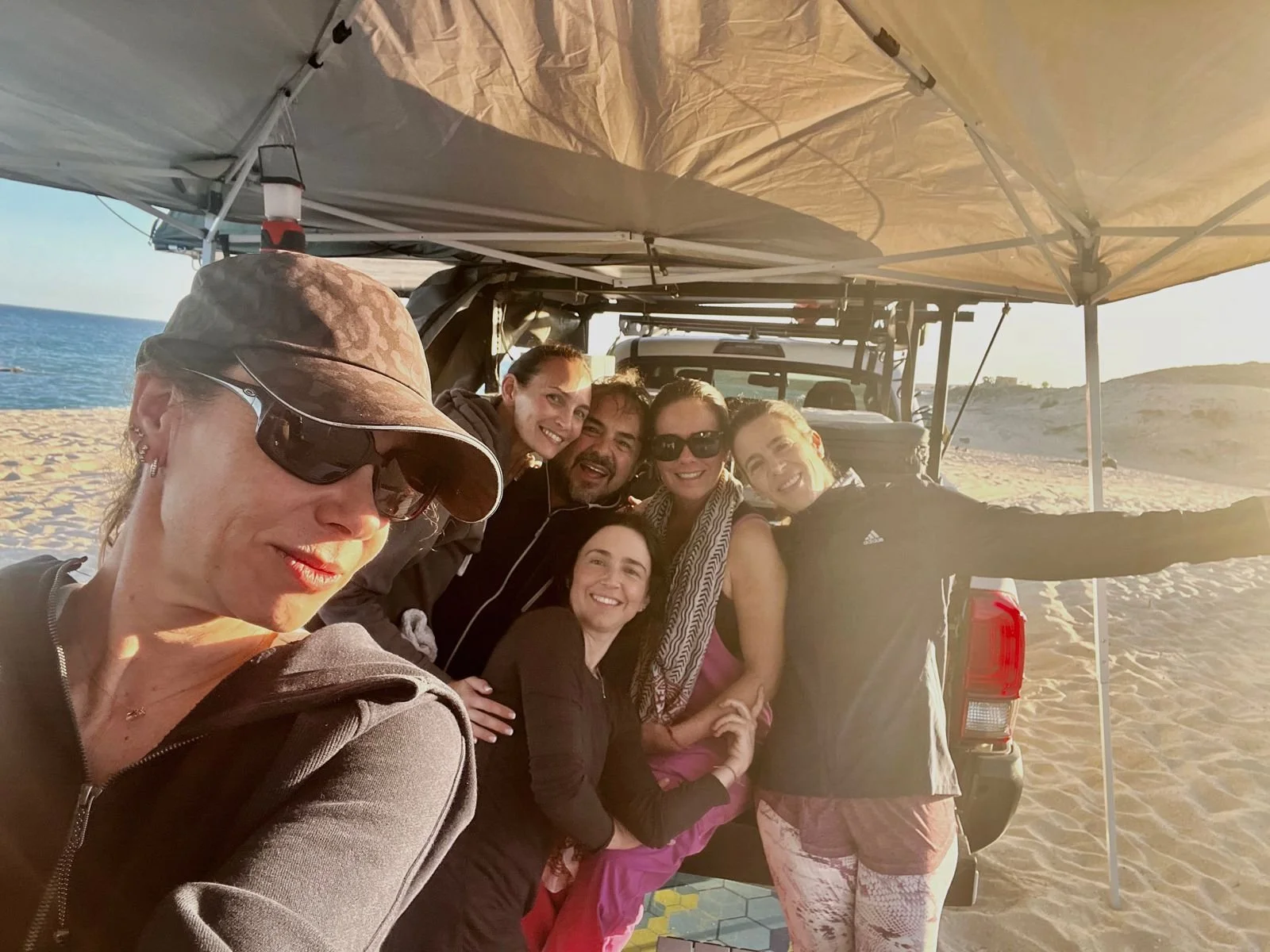
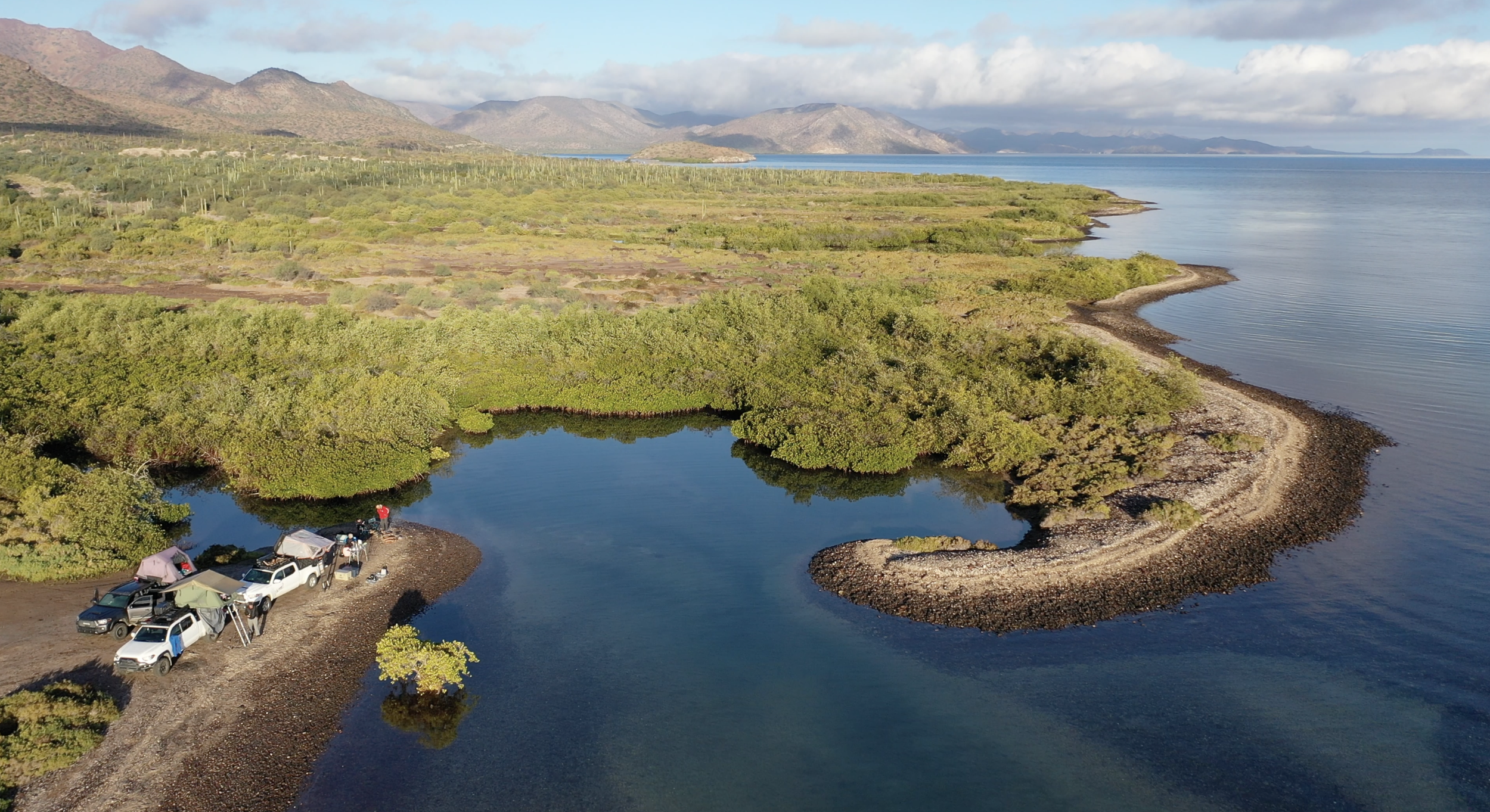
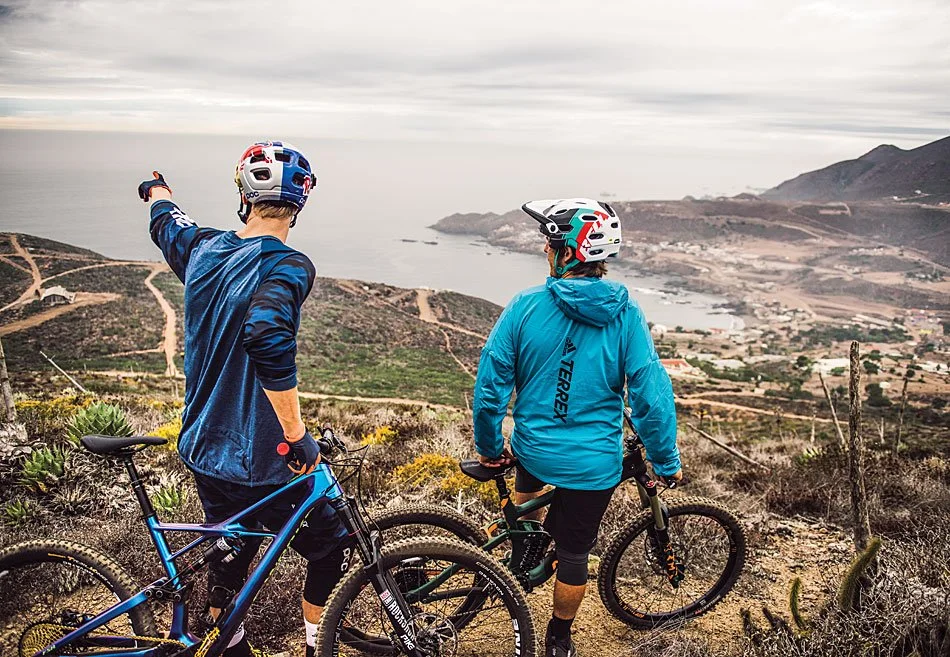
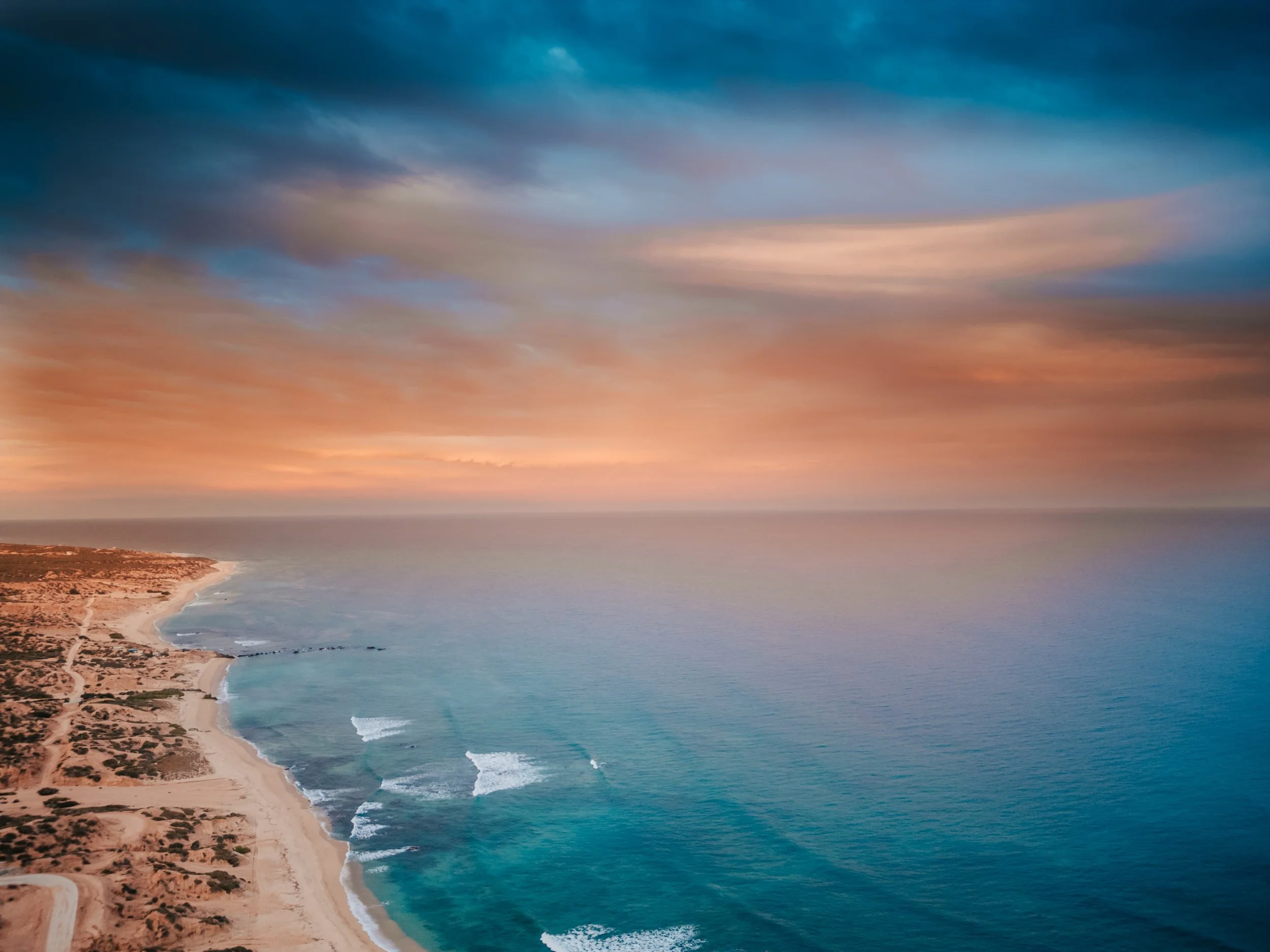
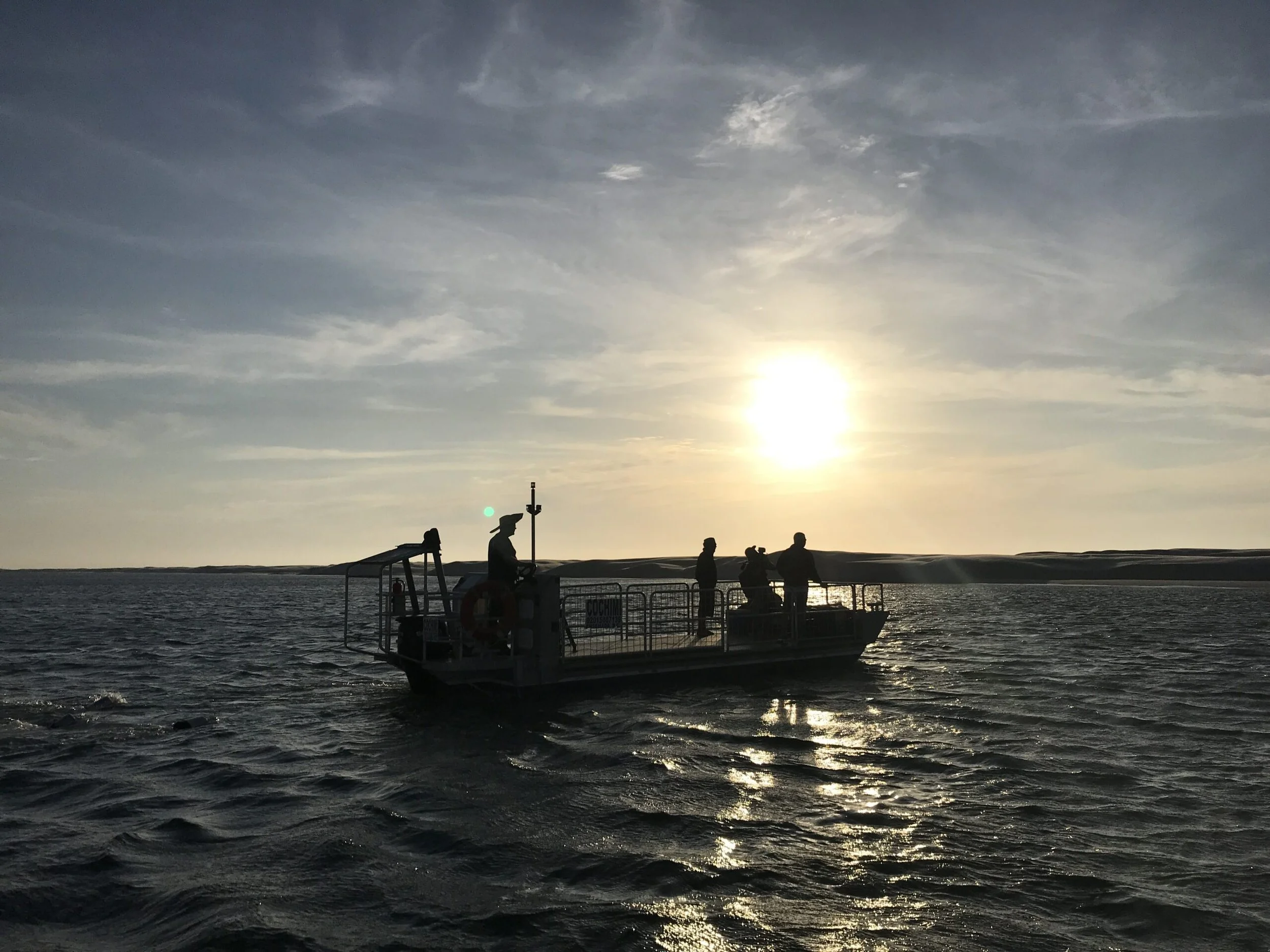
Arre Baja runs the migration as a roving expedition. Six guests at a time. A 4x4 across the East Cape and the Sea of Cortez side of the peninsula, basing in whichever zone the fevers are densest that week. Our captain has logged twenty seasons on this water. He spots activity at the horizon, the color of the current lines, and the slight temperature break at the thermocline. When the fever is there, he finds it.
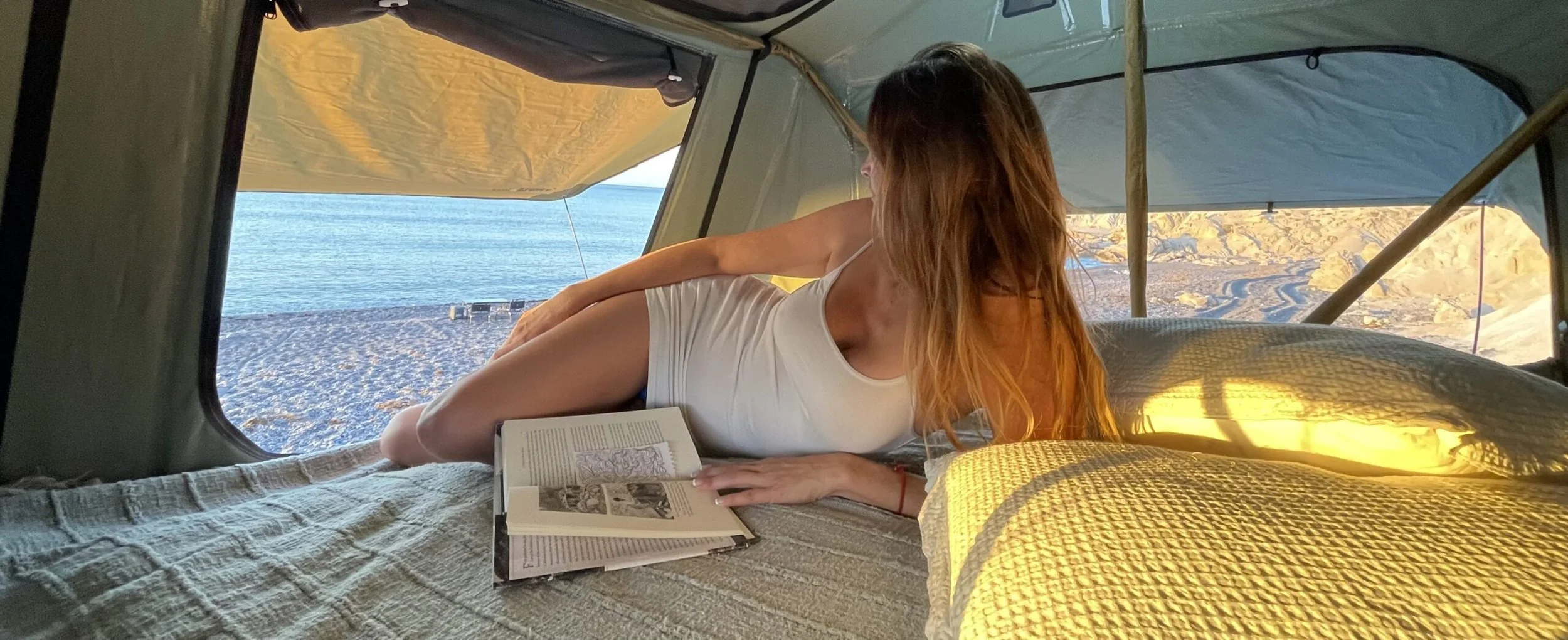
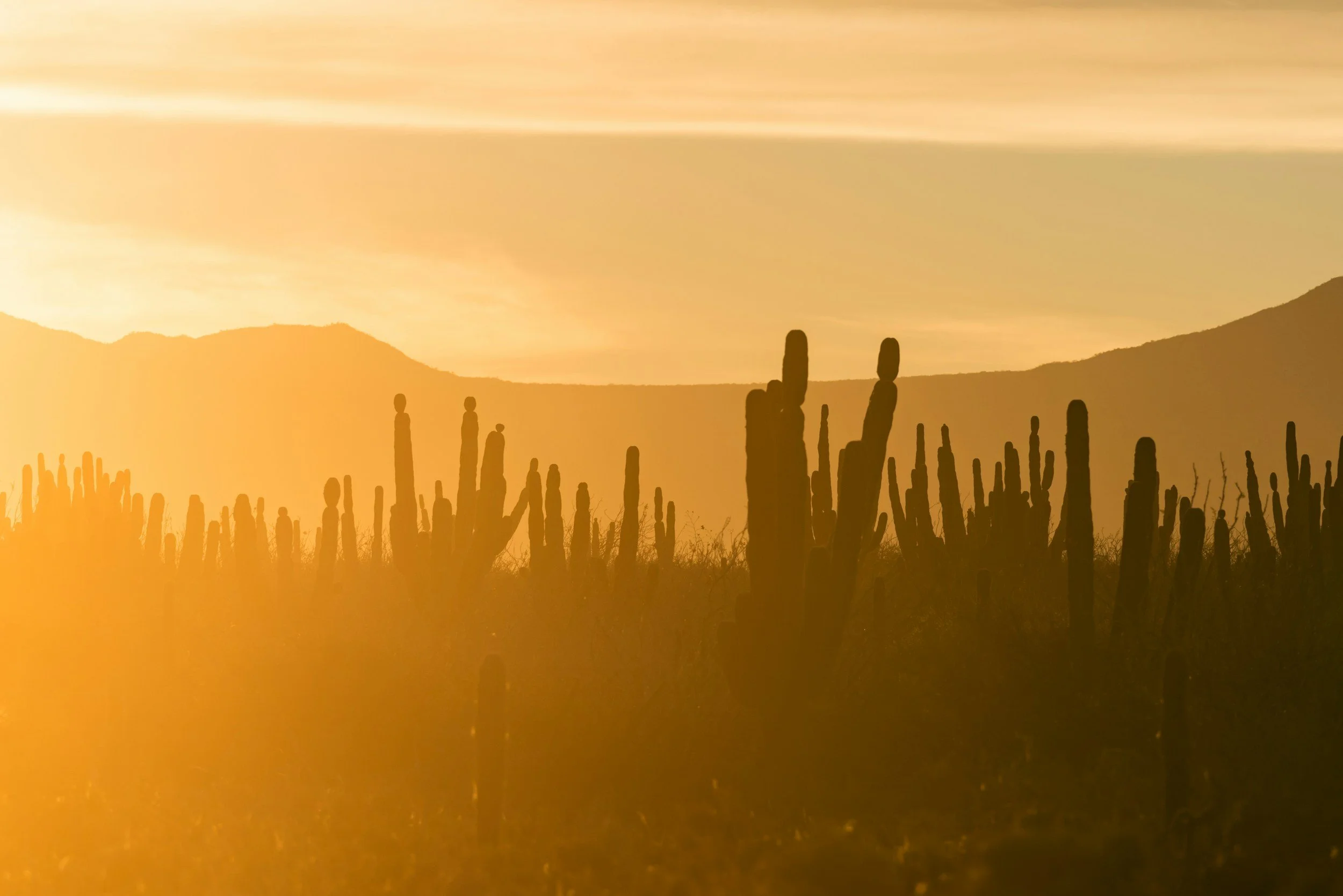
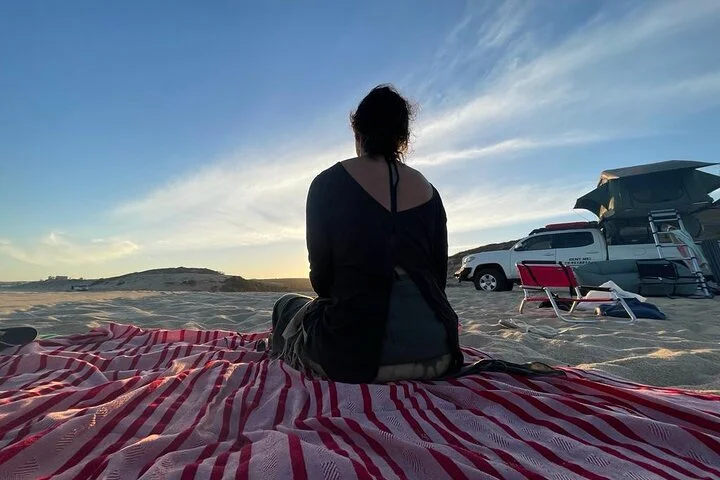
You sleep in camp on beaches with no road sign, no neighbor inside twenty miles, no light pollution overhead. There are real mattresses inside the tents. A hot freshwater shower is rigged at the back of the truck. The eco-toilet is in its own enclosure with a door that closes. Starlink runs if you need to be reachable.
Dinner is cooked over coals — fish caught that day, regional wine on the table, mezcal at the fire afterwards.
In the morning, before you finish your coffee, the boat is already in the water.
Logistics at a glance
Season: April through early July
Peak: Mid-May to early June
Length: 3 or 7 days (7 strongly recommended)
Group size: 2-12 guests maximum
Fitness: Comfortable snorkeling 30+ min in open water
Starting point: San José del Cabo (SJD) airport
The fevers are already moving north.
If you want to be in the water with them this spring, the decision needs to happen now — not in April, when the seats are gone, and all that's left is watching someone else's footage on a screen.
Take the seat. We'll do the rest.
What’s included:
Airport pickup and return at SJD (San José del Cabo)
Private 4x4 transport across the peninsula
Full snorkel gear and wetsuit
Daily boat charter with captain and onboard marine biologist
All breakfasts, dinners, and boat lunches
Wine, mezcal, soft drinks
Beach camp with mattresses, eco-toilet, freshwater shower
Starlink on demand
Not included:
Flights to/from SJC
Gratuities
Personal eco-friendly amenities
Personal purchases