
Shibari, Nature & Movement presents:
The Art of Connection
Five days. Wild landscapes. The ancient language of rope.
December 09–13, 2026 · Baja California Sur
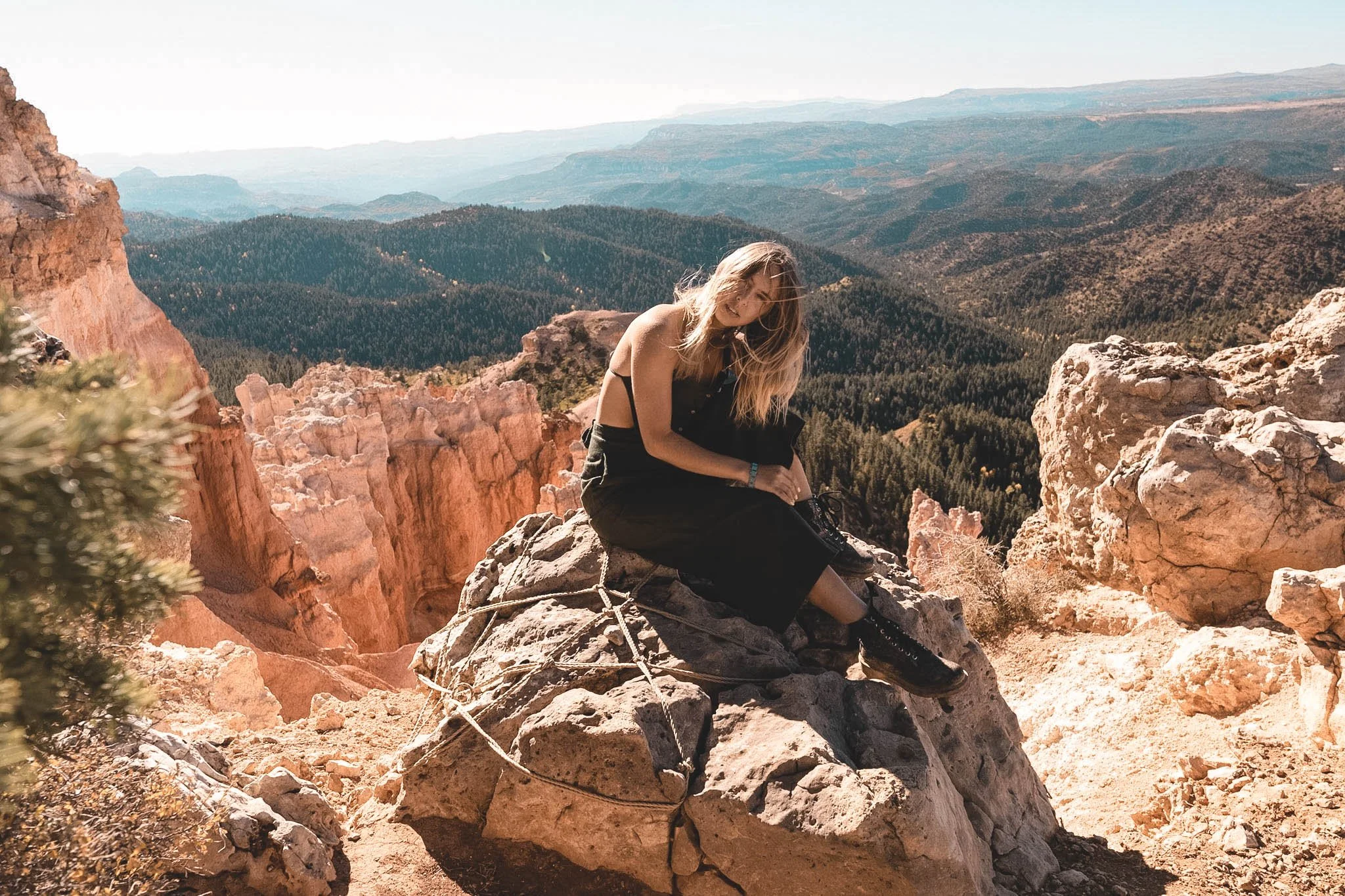
A nomadic journey through Baja California Sur, where Shibari becomes a tool for presence, connection, and creative expression — practiced in canyons, desert, and open sea.
WHAT IS SHIBARI?
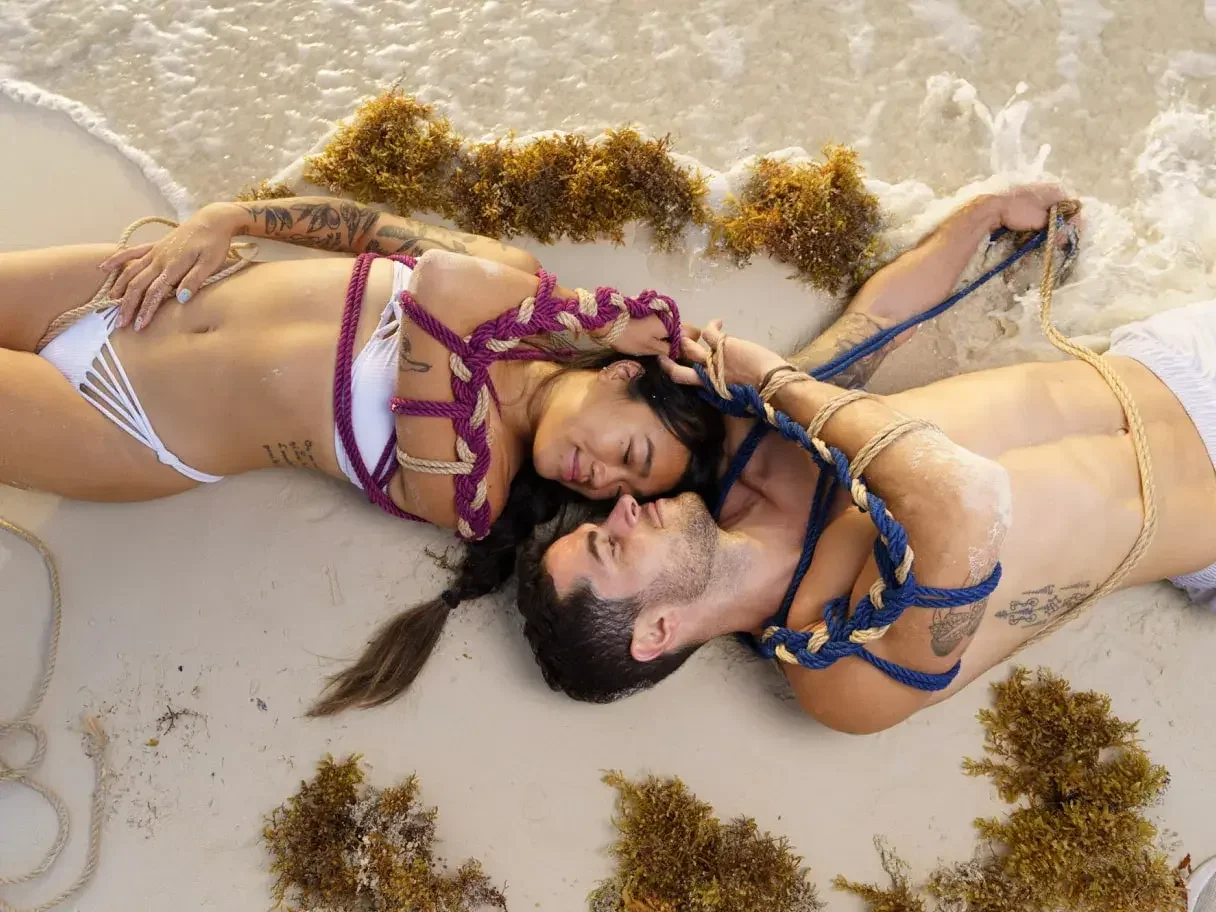
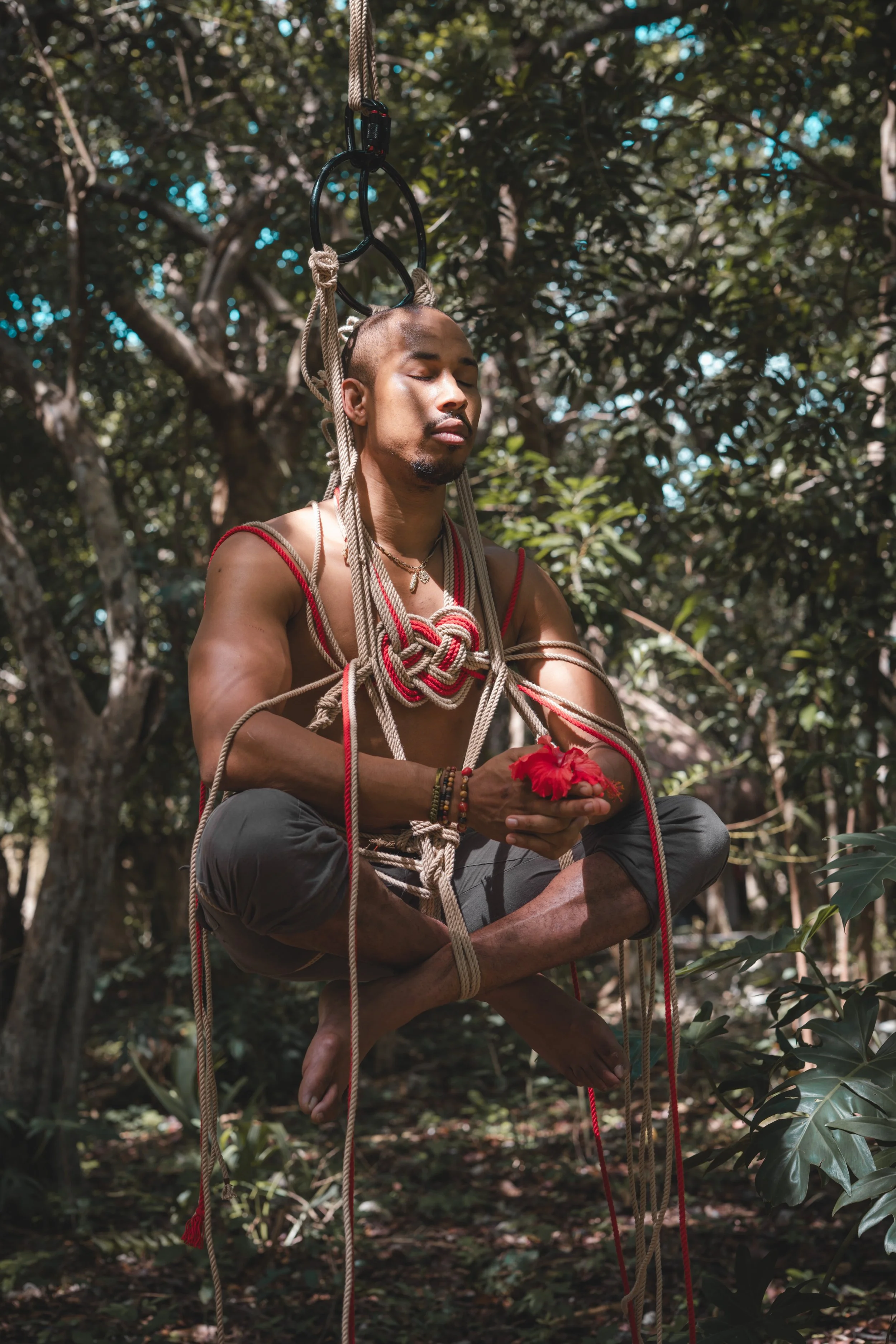
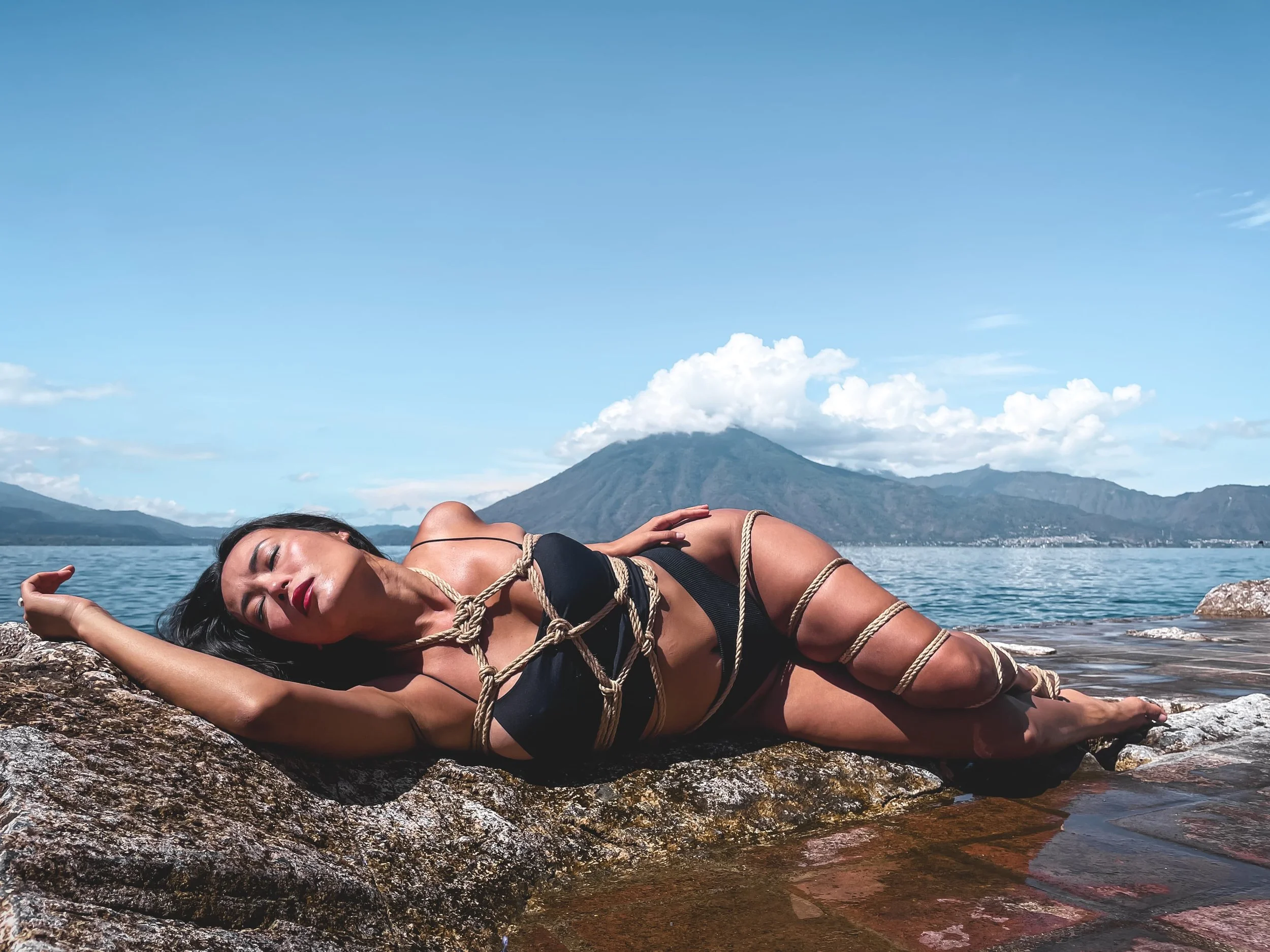
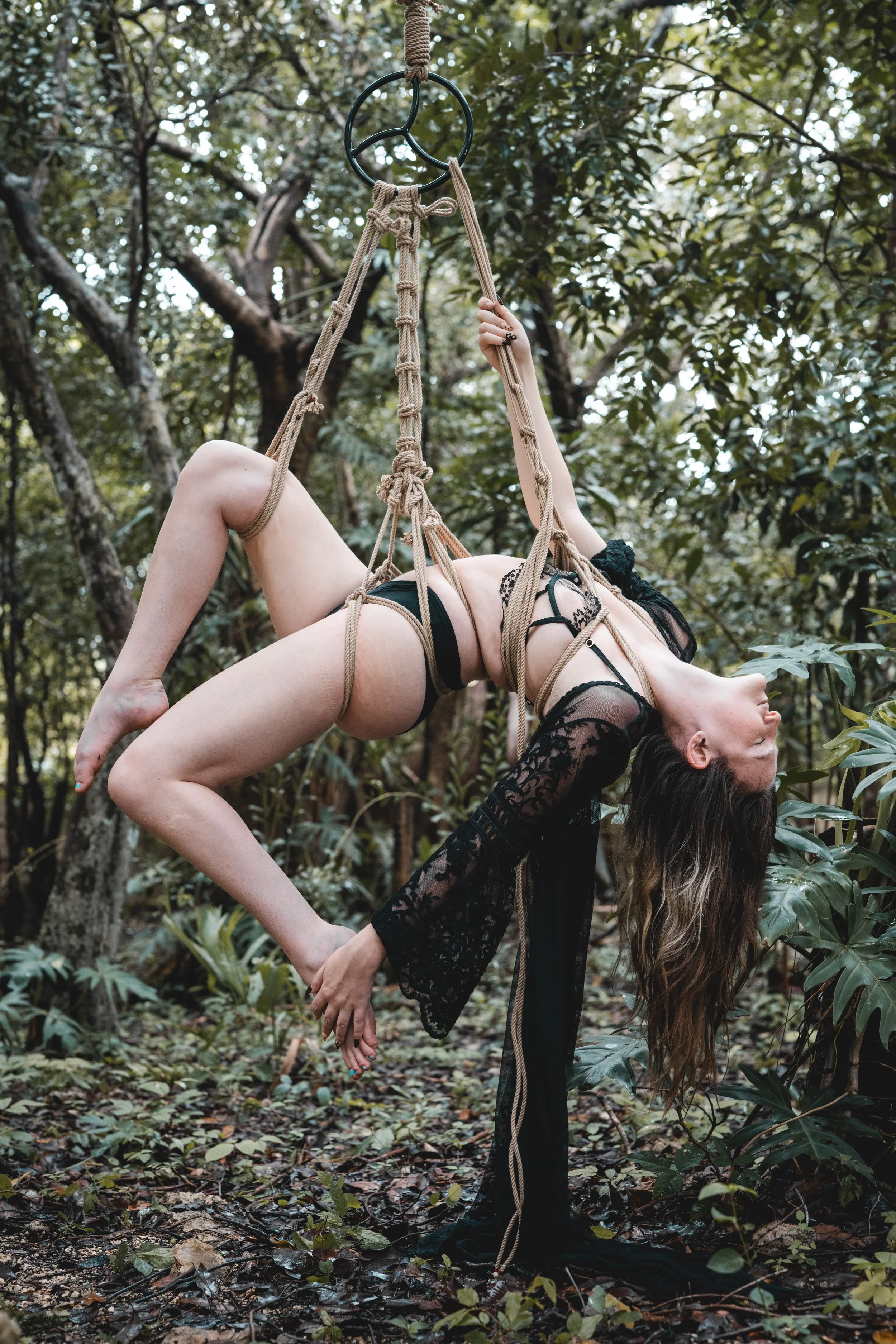
Shibari is a Japanese art form rooted in the meditative use of rope.
At its core, it is a practice of presence — between two people, or within oneself.
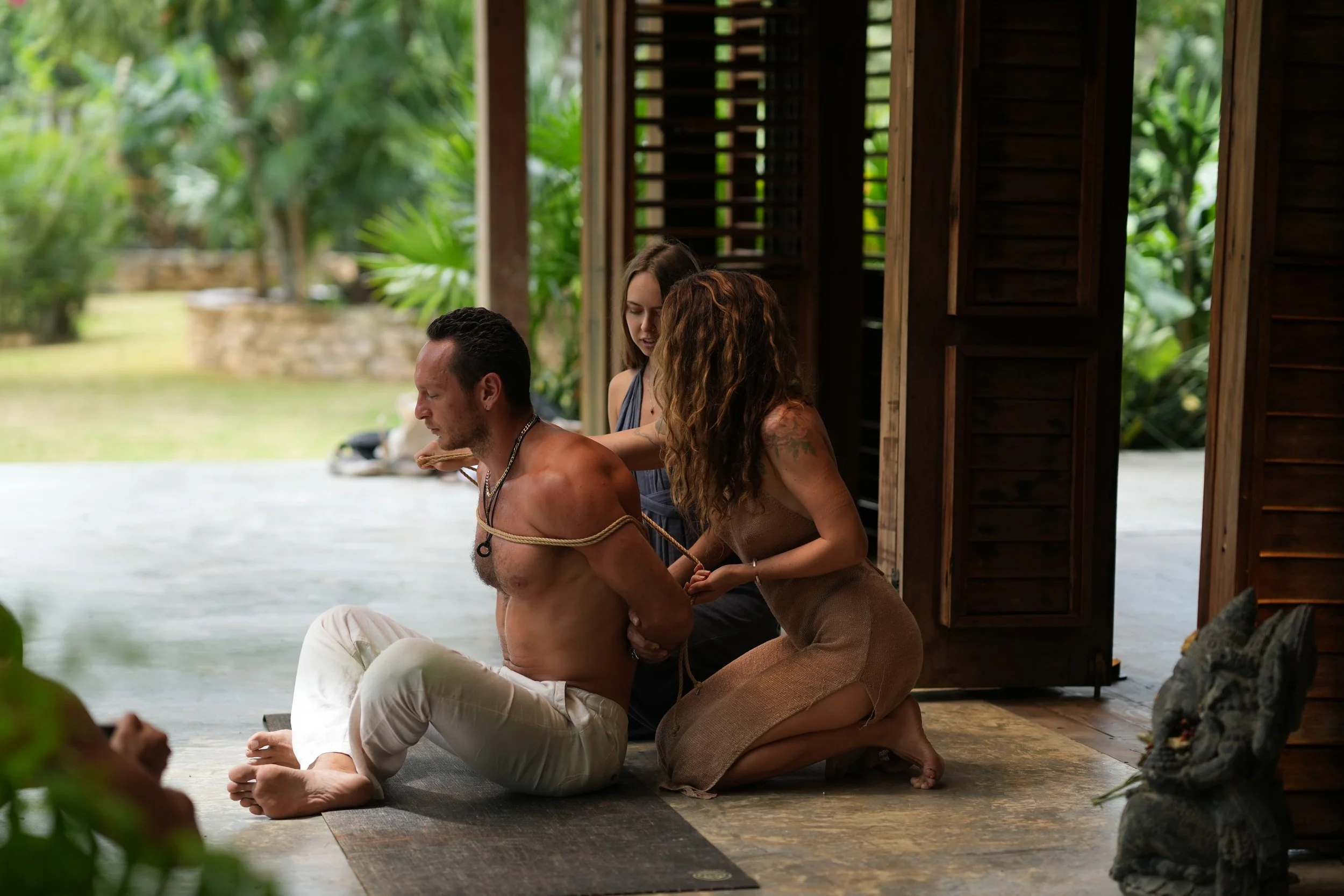
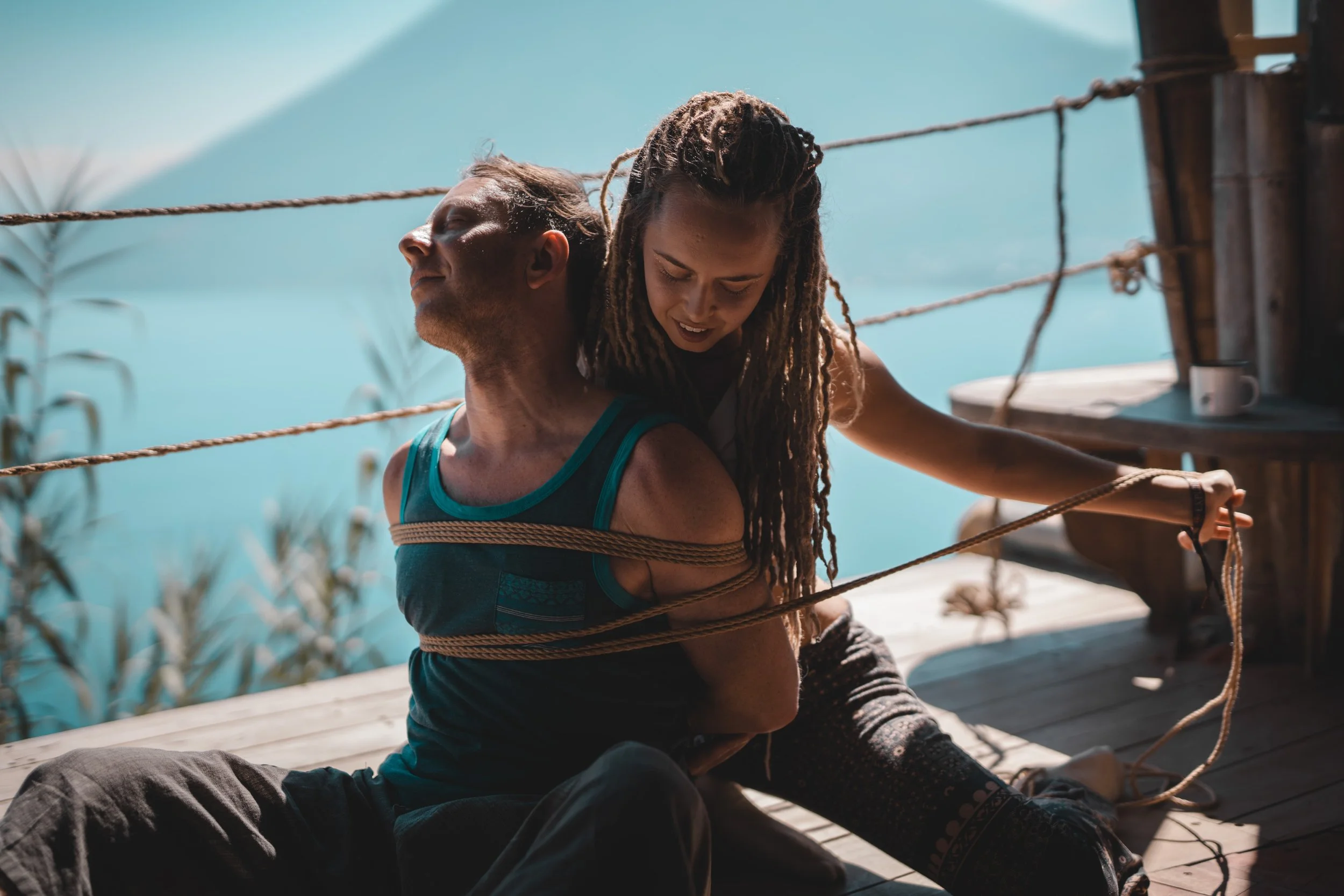
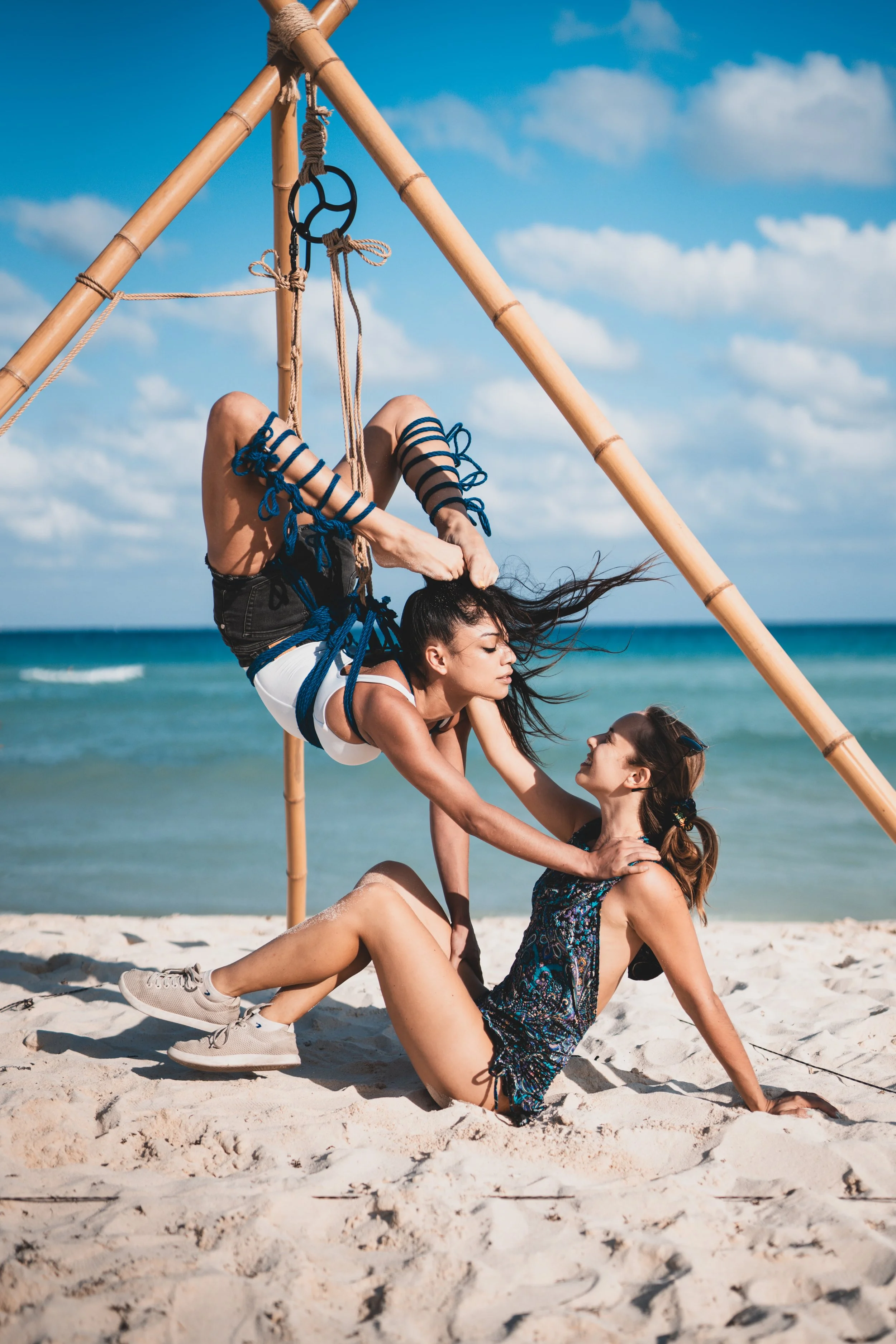
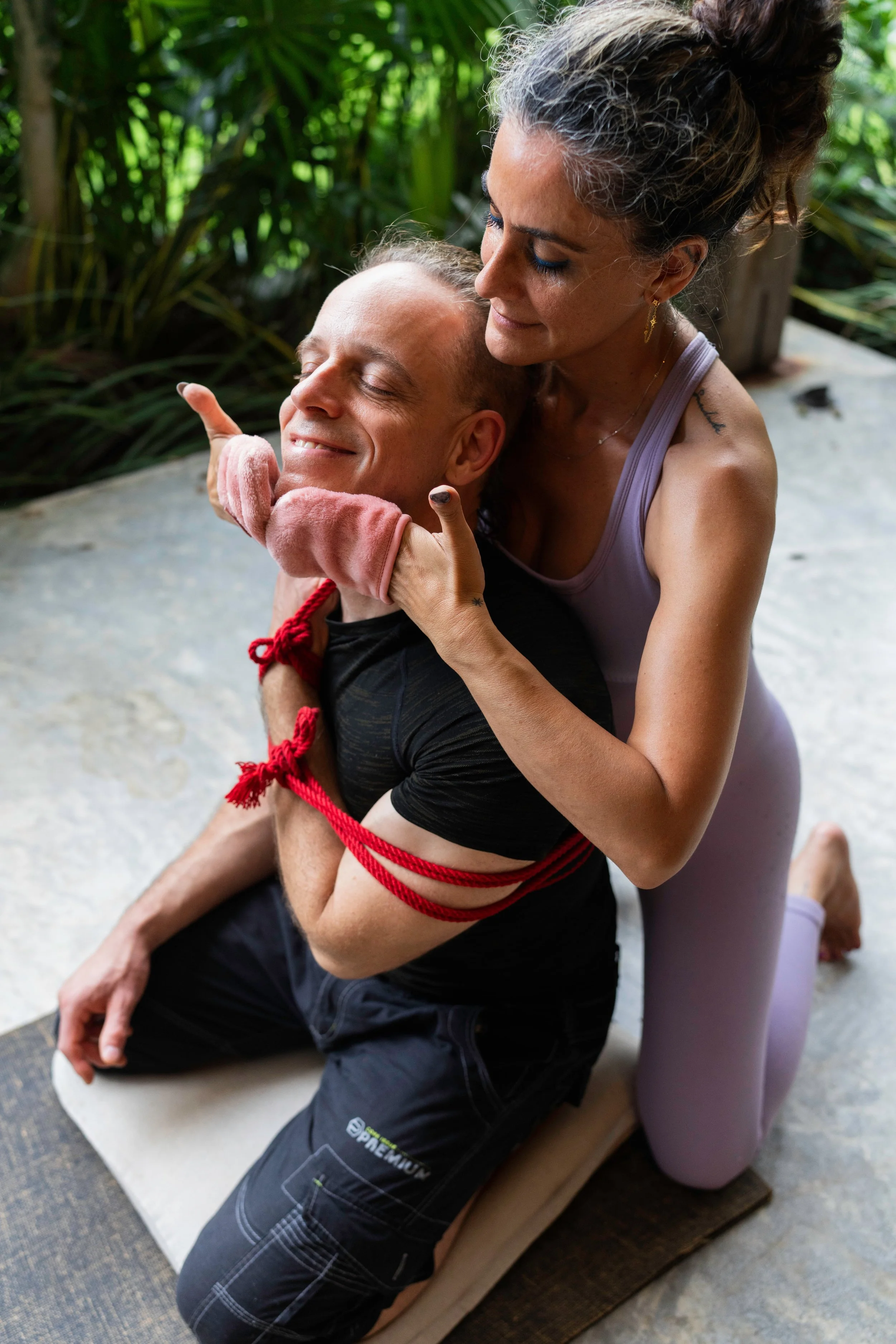
Far from what popular culture sometimes suggests, Shibari in its truest form is about communication, trust, and attention. The person tying must listen. The person being tied must surrender — not to another person, but to the moment itself. Rope becomes the medium through which that exchange happens.
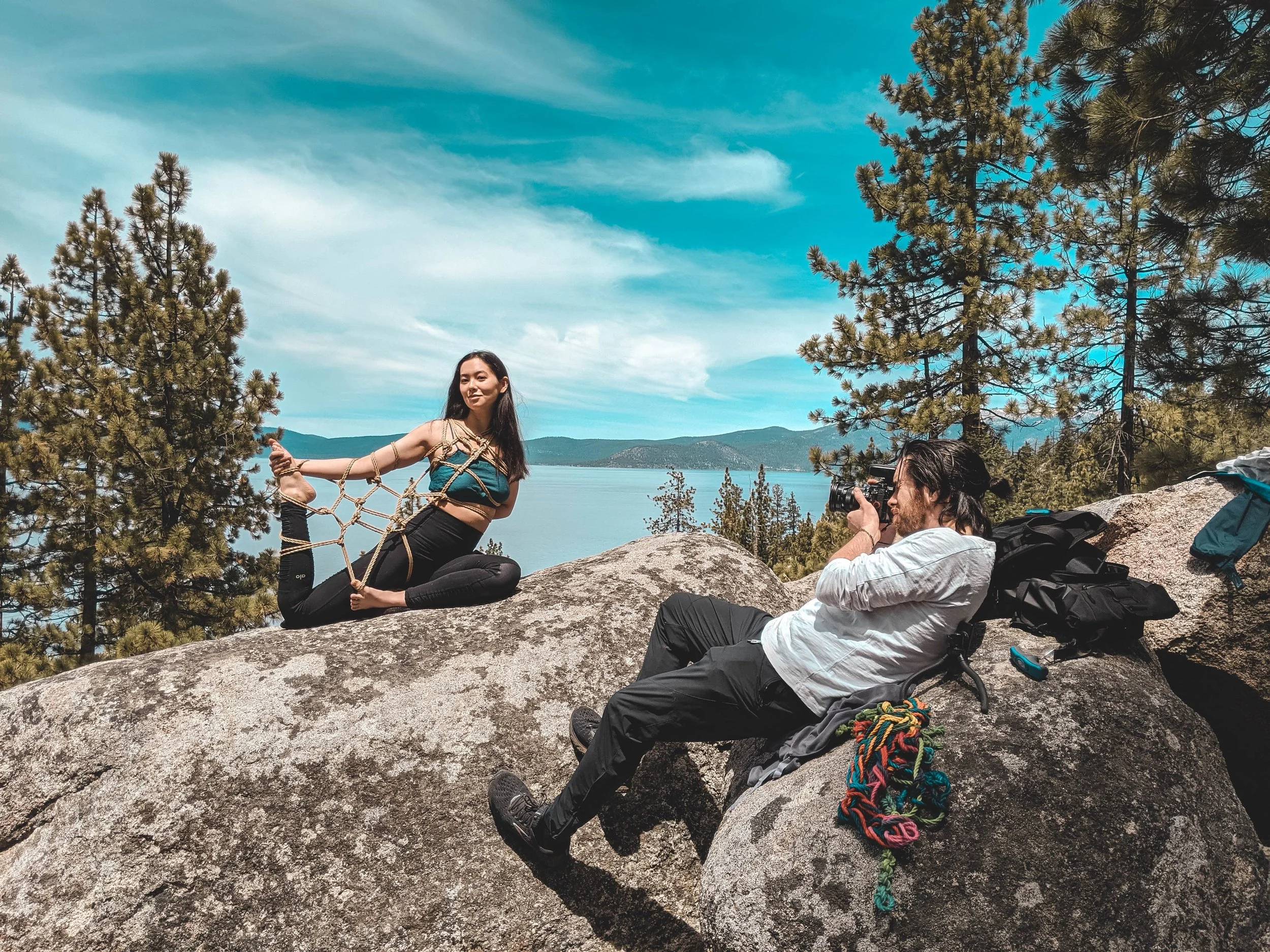
Practiced in nature, away from screens and noise, it becomes something else entirely: a way of slowing down, feeling your body, and connecting with another human being without distraction.
No prior experience is required. What matters is curiosity, openness, and a willingness to be present.
Shibari benefits
Intimate Connection: Deeper connection between partners
Artistic Expression: Unique outlet for artistic expression
Mindful Practice: Meditative and calming experience
Sensuality and Exploration: Embrace your desires
Self-Discovery: Exploring personal boundaries

WHAT THIS IS
This is a journey.
And it’s designed for people who want to feel more — more present, more connected, more alive.
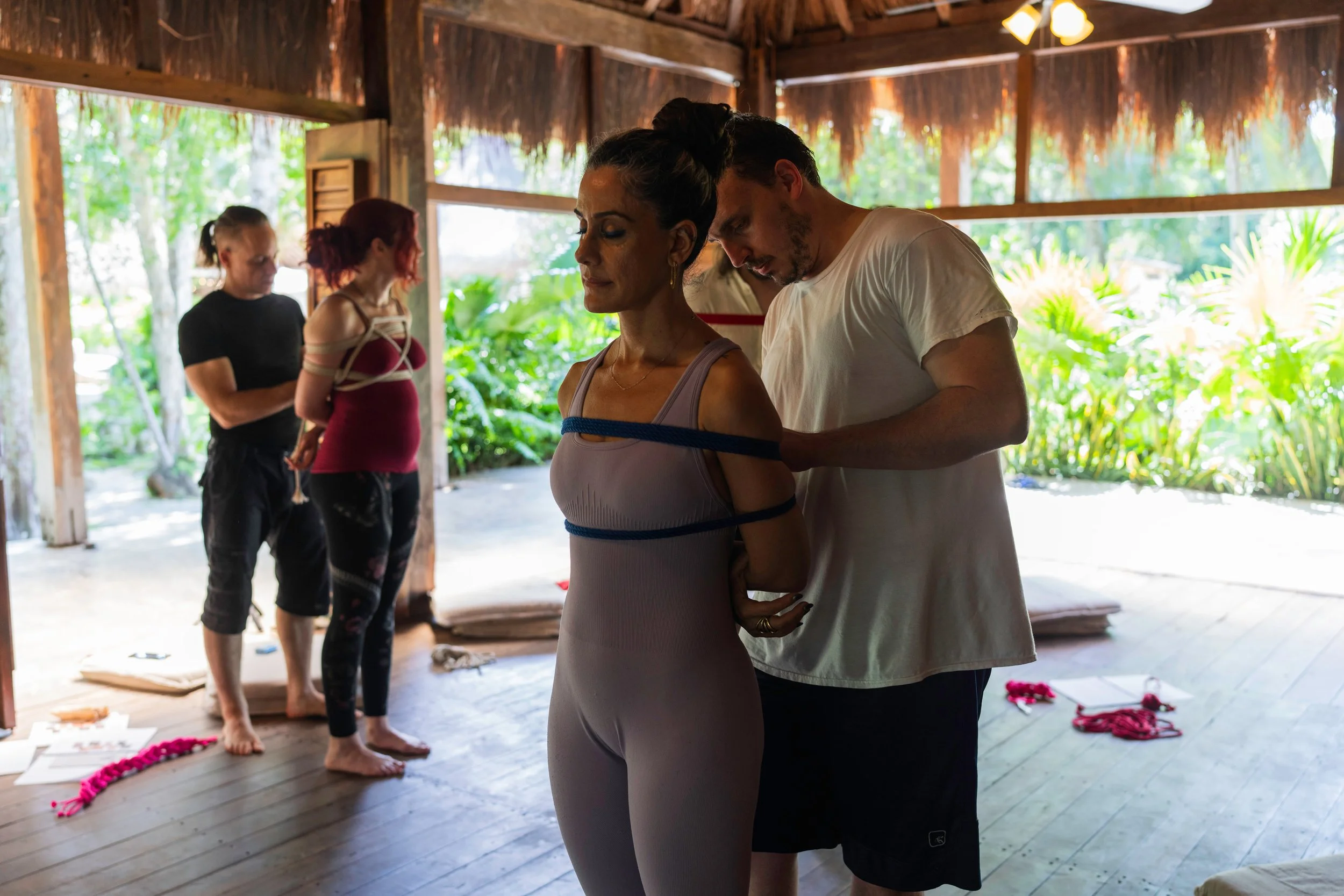
Over five days, you will travel through some of the most powerful landscapes in Baja California Sur, learning Shibari as a language of communication, beauty, and trust.
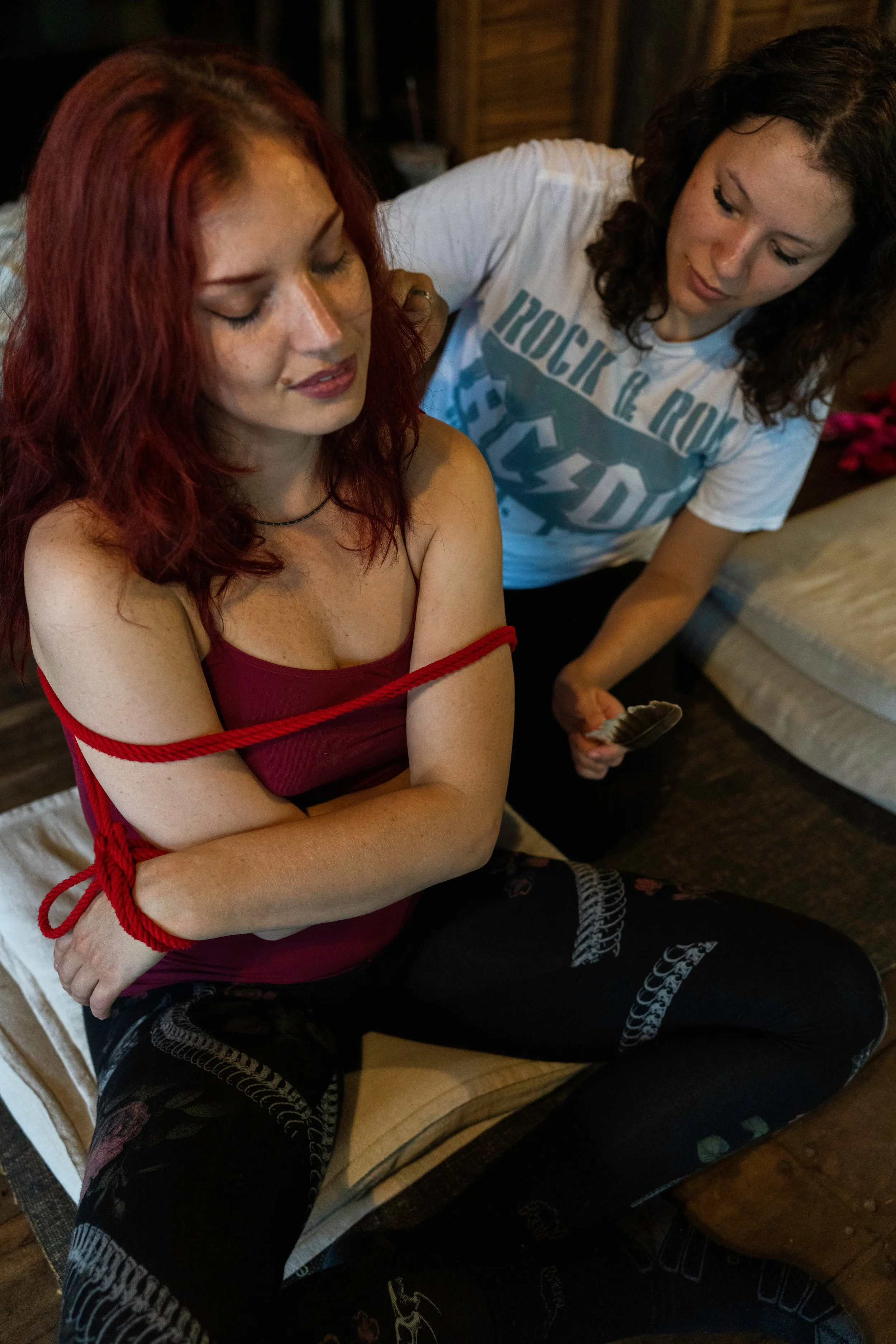
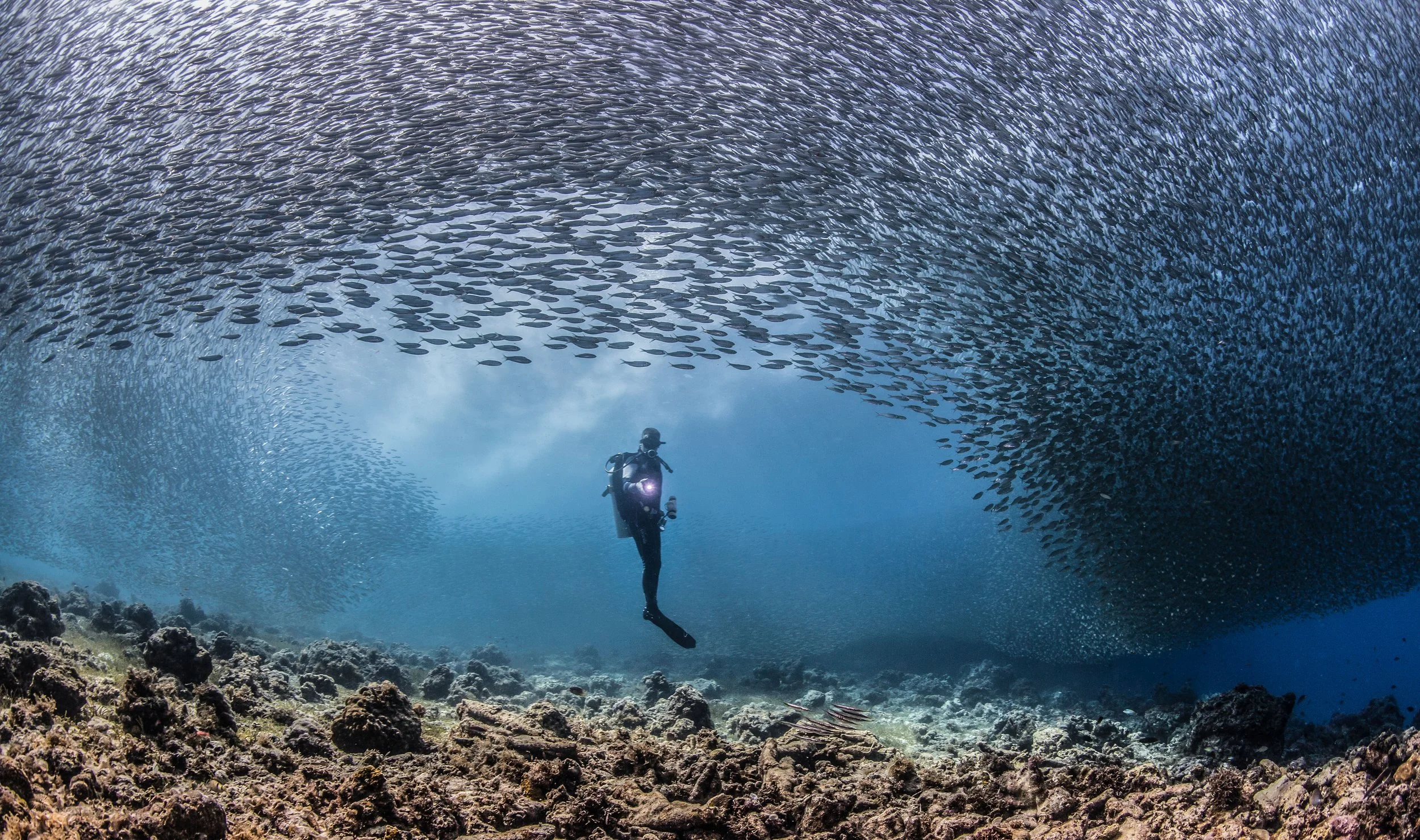
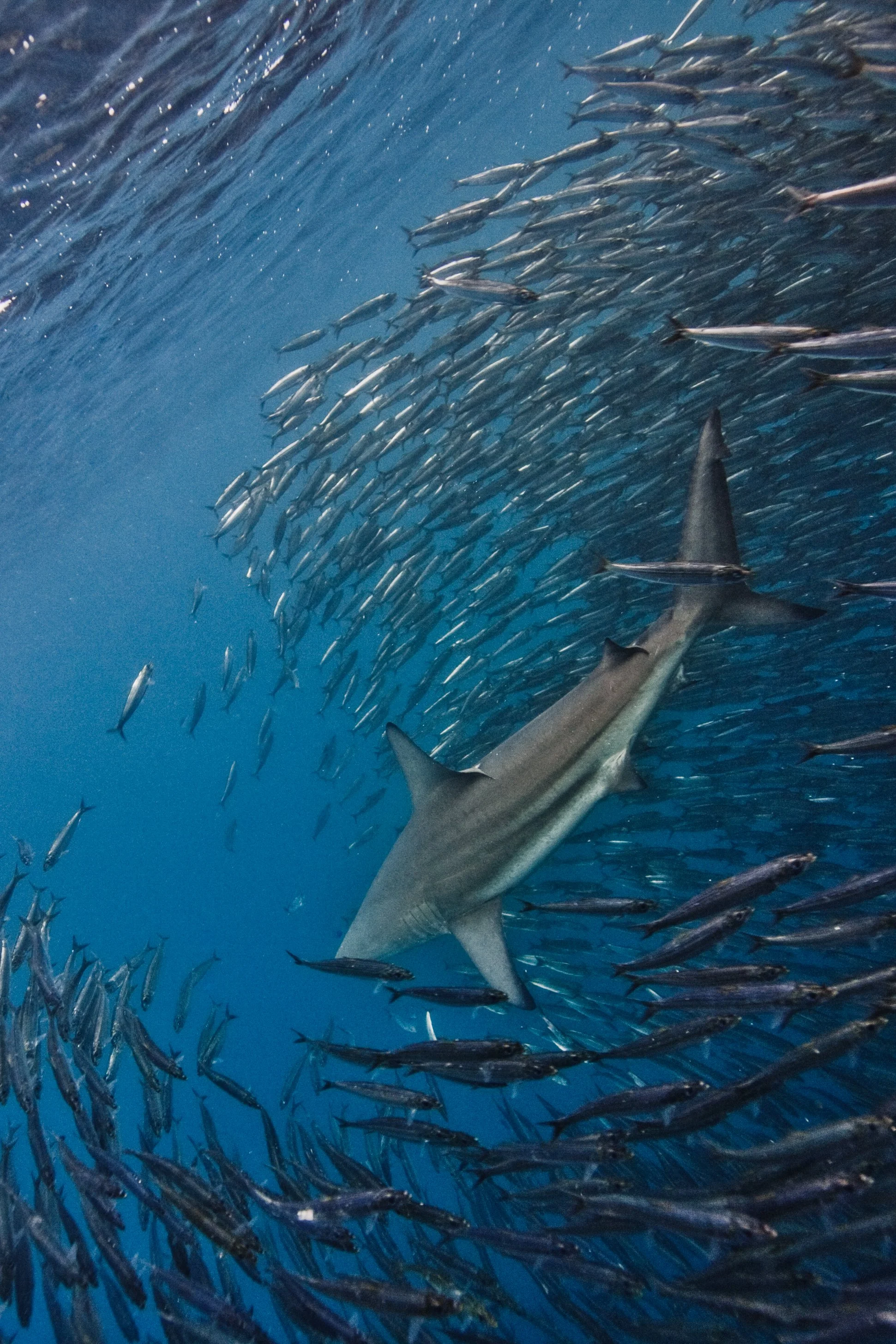
Through daily rope practice in nature, guided photography sessions, encounters with the Sardine Run, and nights around the fire, you will return with a skill, with images, and with something harder to name — a shift in how you inhabit your own body and relate to others.
Led by Shibari artist Anastasia (Voudou Ropes), fine art photographer Shane Suazo, and Baja explorer Salvador Quiroz.
WHAT YOU WILL DEVELOP
Understand Shibari as a connection, not just a technique
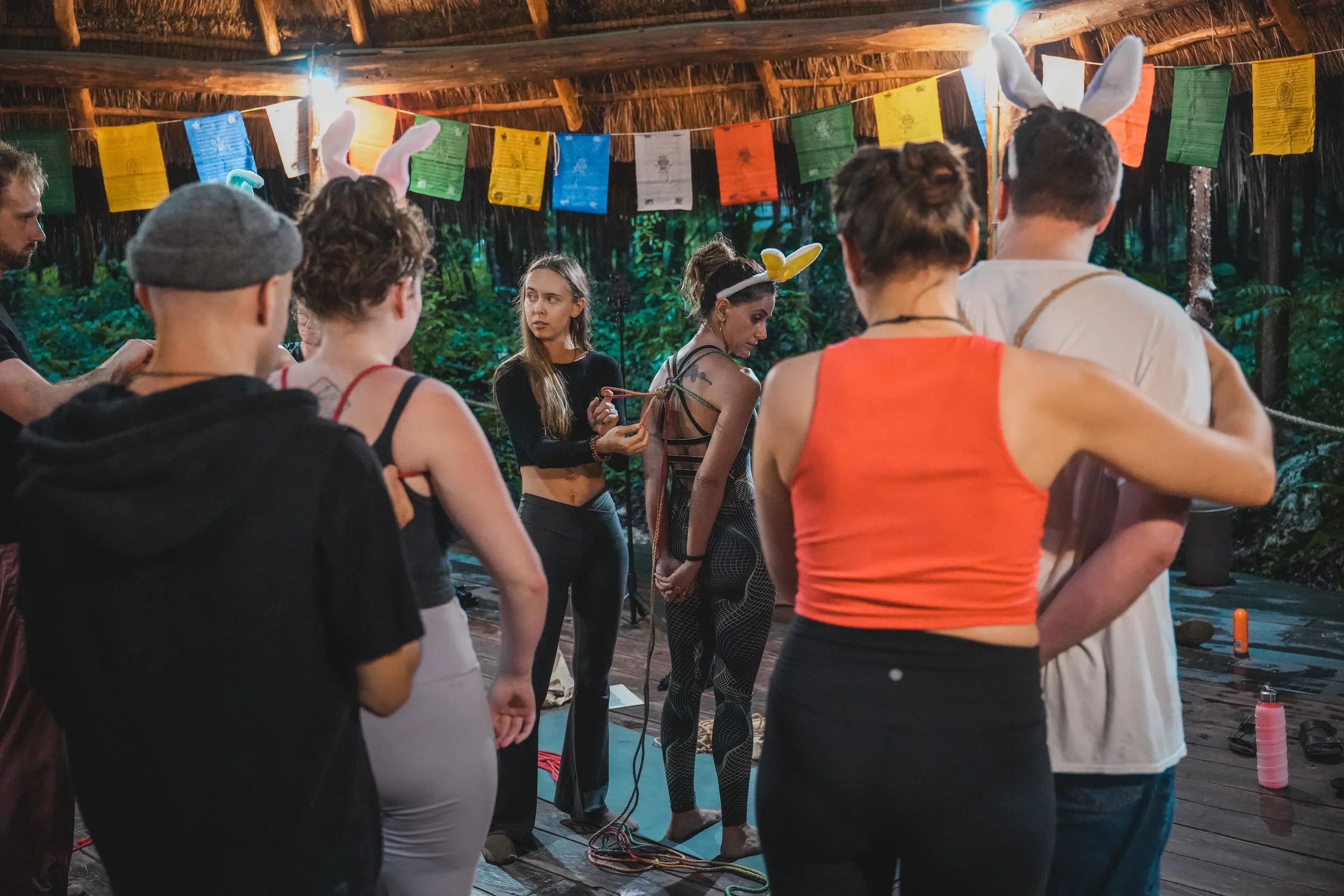
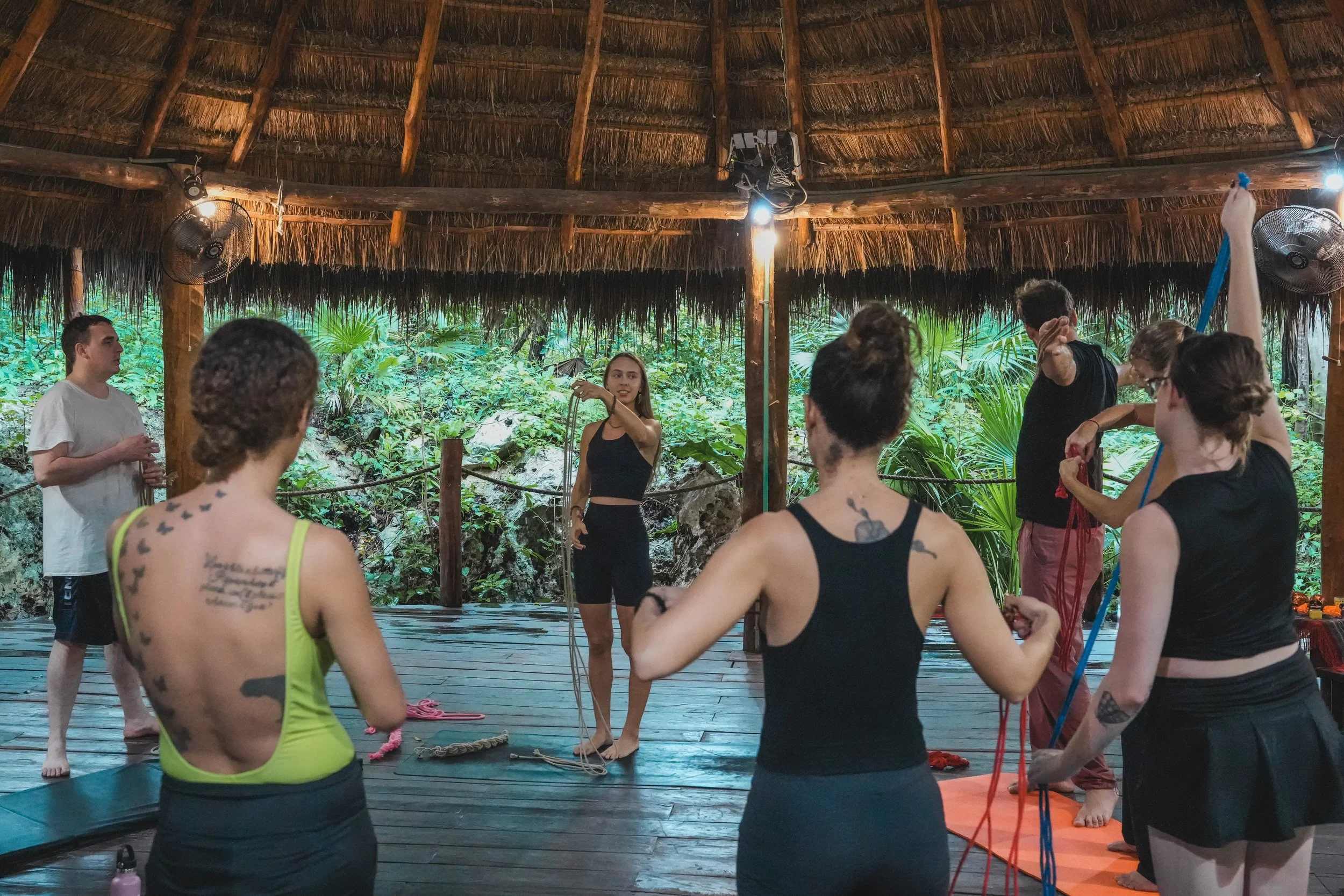
Learn foundational rope structures in a safe, supported environment
Explore aesthetics, flow, and creativity through tying
Develop deep presence and attentive listening
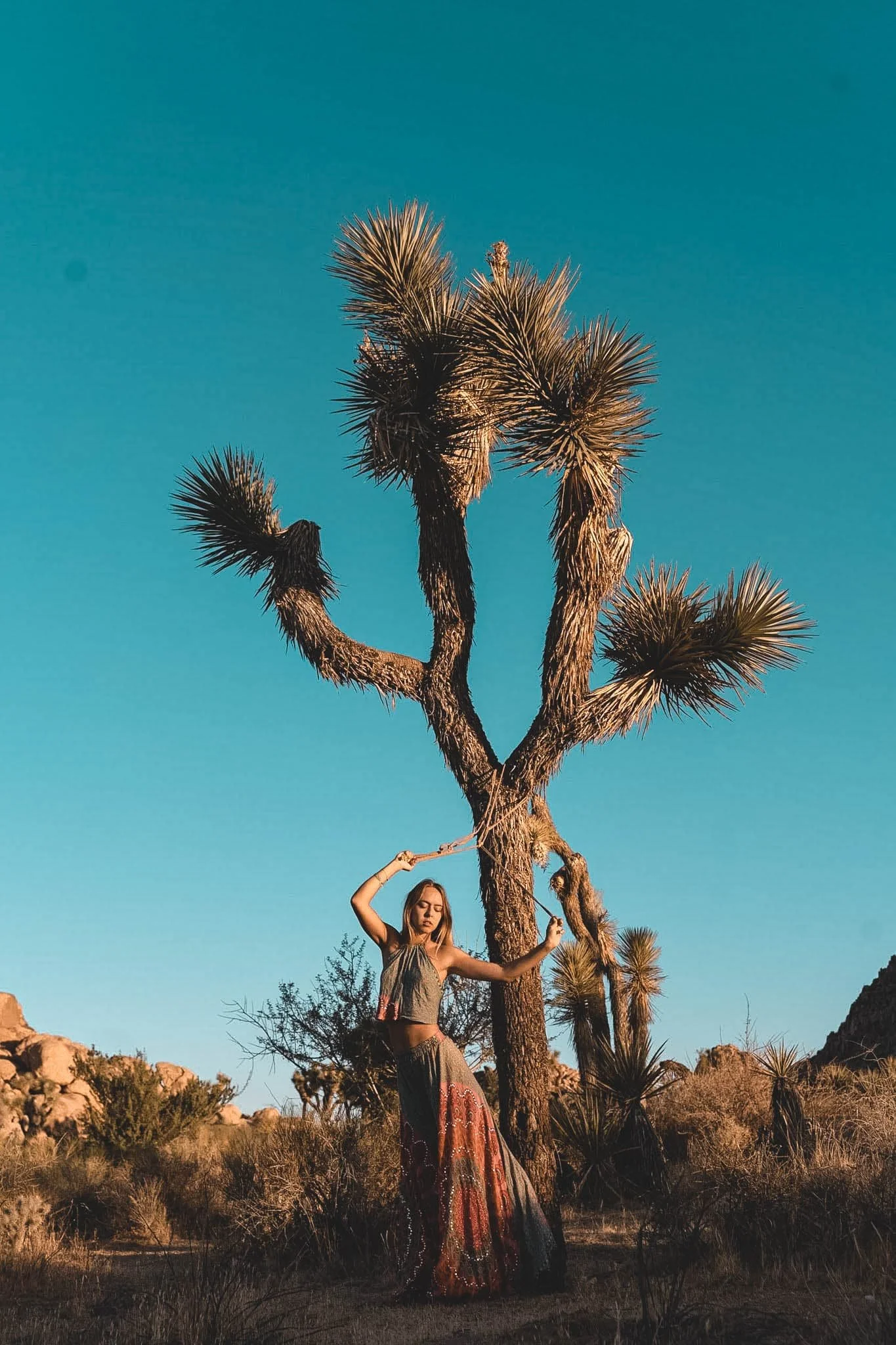
Experience rope in extraordinary natural settings
Leave with professional photographs of your own journey
THE EXPERIENCE
Five days of connection
-
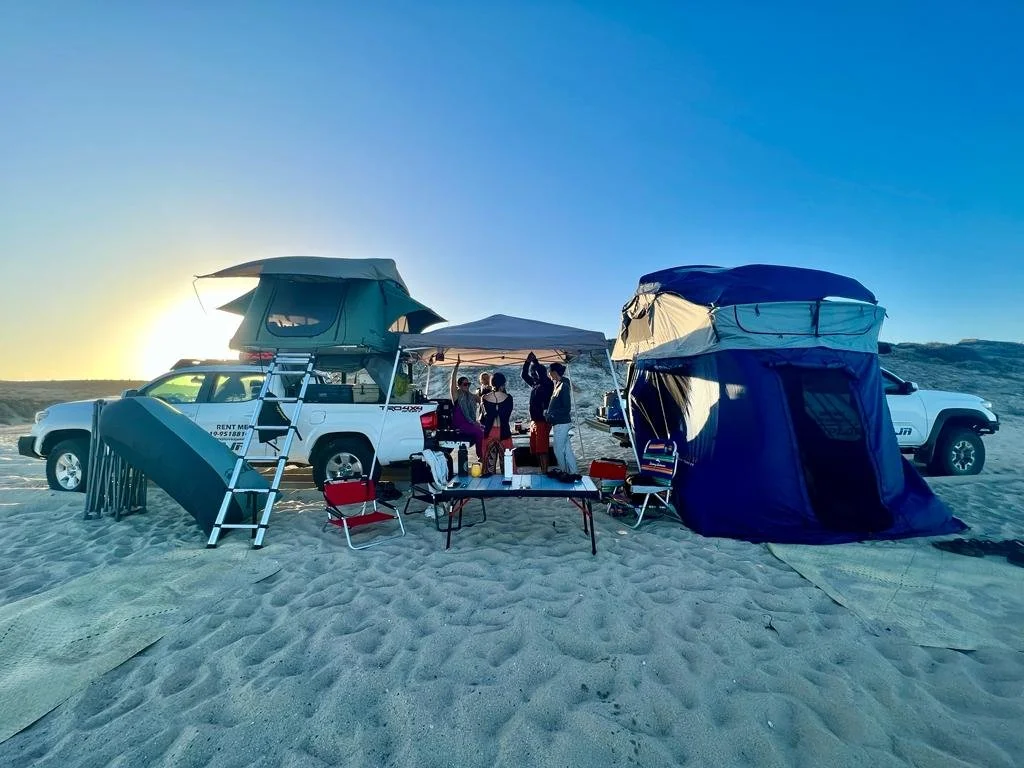
Arrive at San José del Cabo Airport and transfer to Barriles Waterfall. Set up camp, share a welcome dinner, and gather around the fire for your first introduction to rope with Anastasia.
-
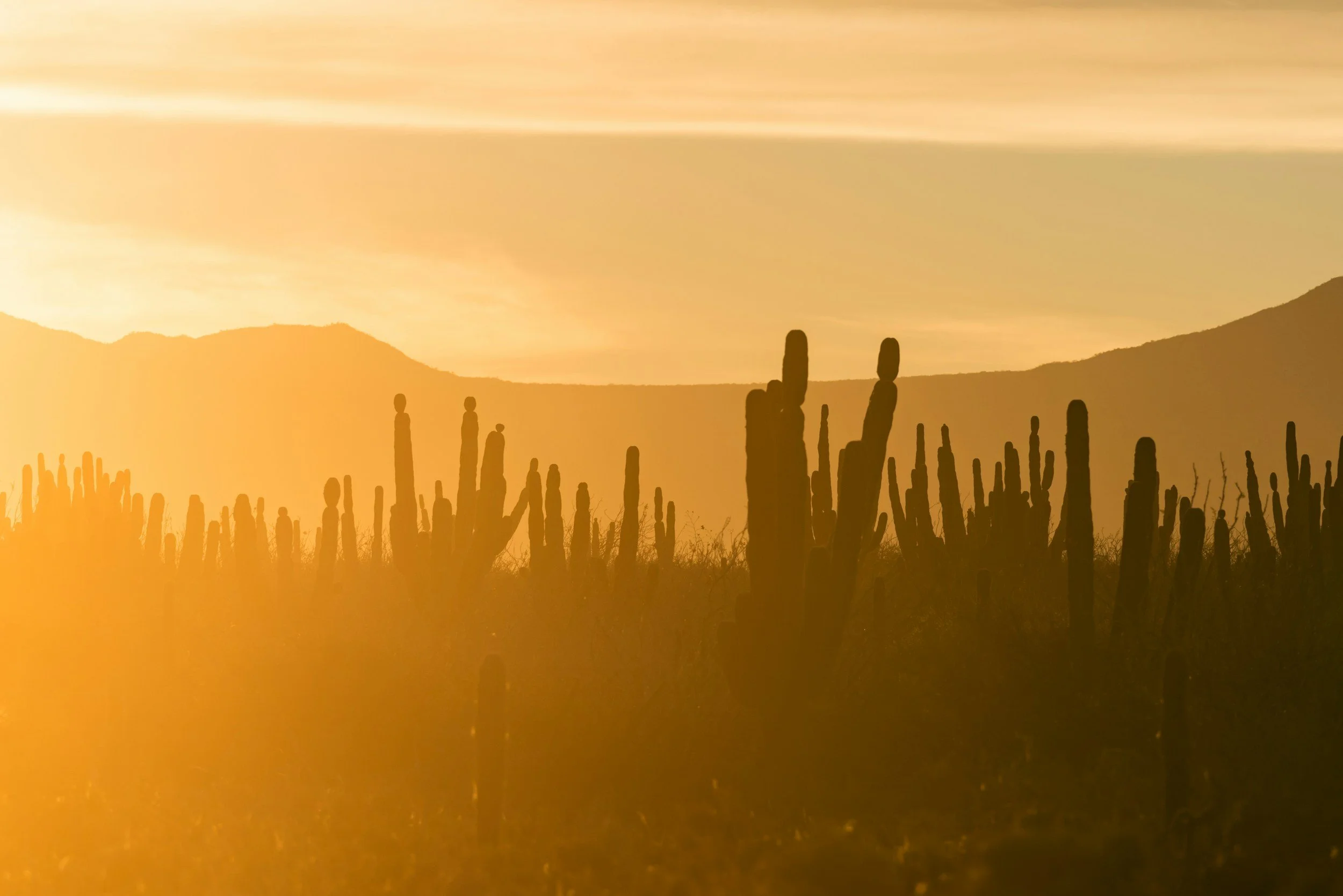
A complete day of Shibari practice — from foundational basics to partner tying, decorative knots, and sensory exploration. The day closes with a golden-hour tying session photographed against the landscape.
-
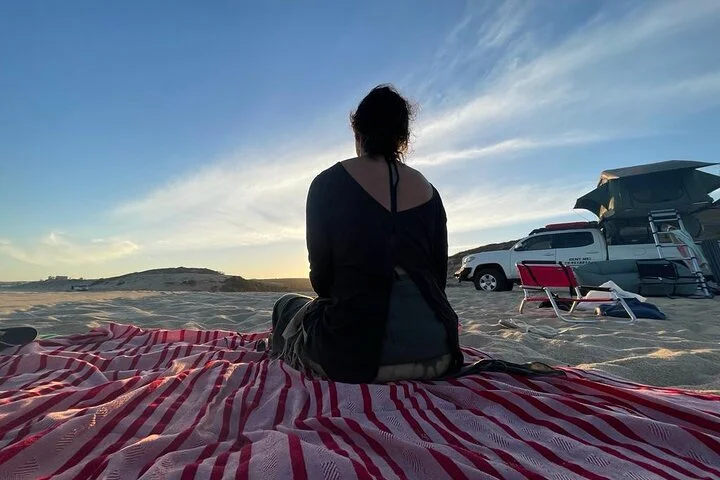
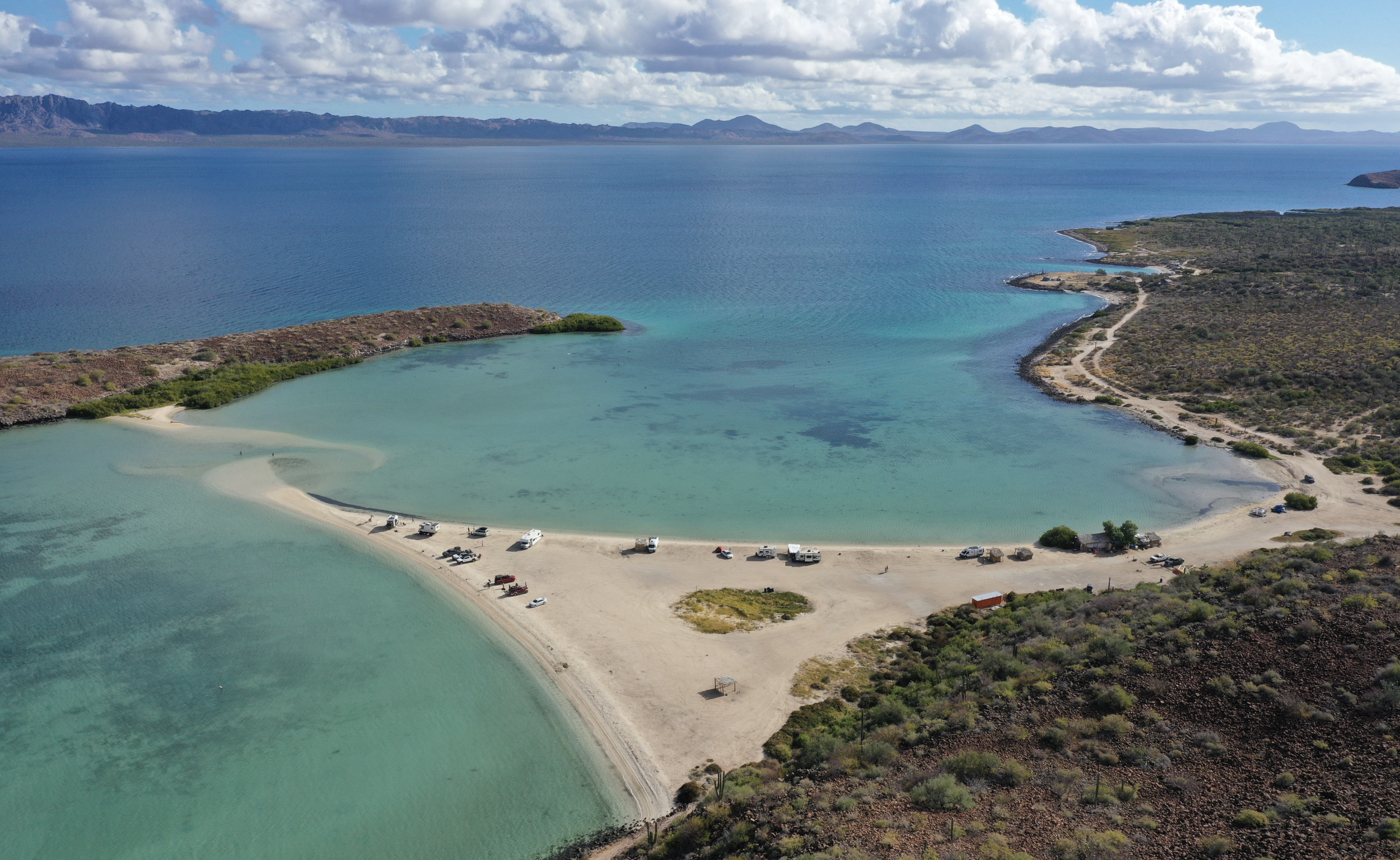
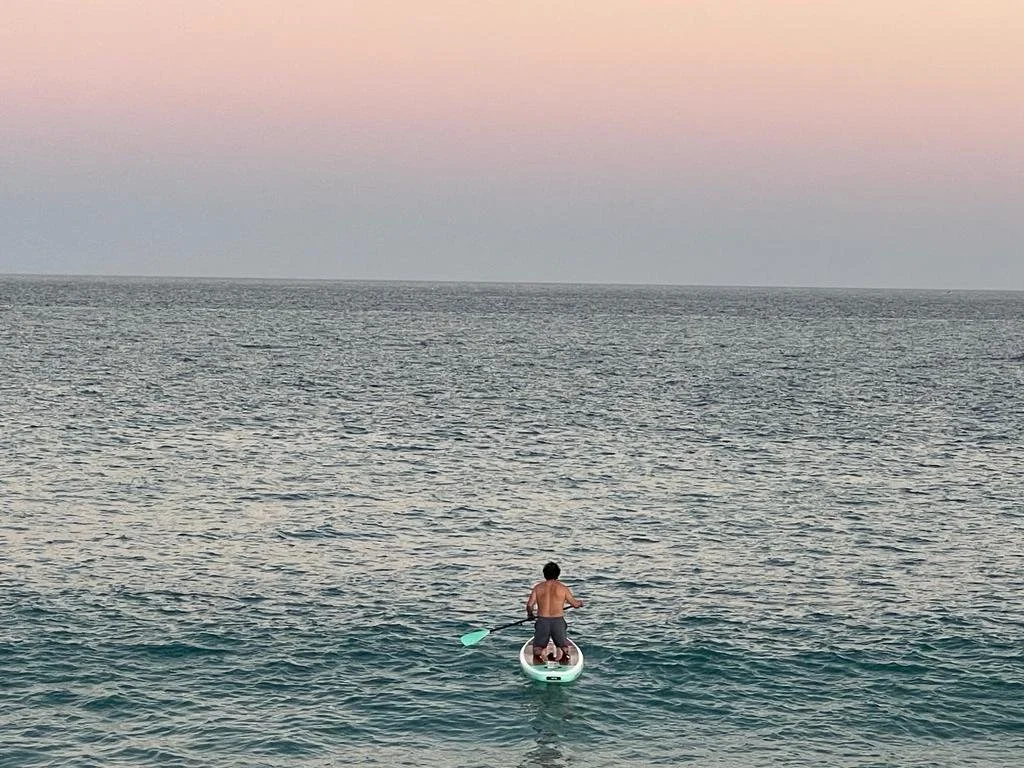
Before sunrise, you depart for the open water. Witness the Sardine Rune migration from the boat, and move camp to Punta Arena — where the evening brings nightlight rope sessions under open sky.
-
A morning of flow and creative expression in rope, followed by preparation for your personal photo session at sunset. The night closes with fire ceremony, music, and ritual.
-
A morning of breathwork and reflection before departing for San José del Cabo, with a final lunch stop at Agricole restaurant.
YOUR GUIDES
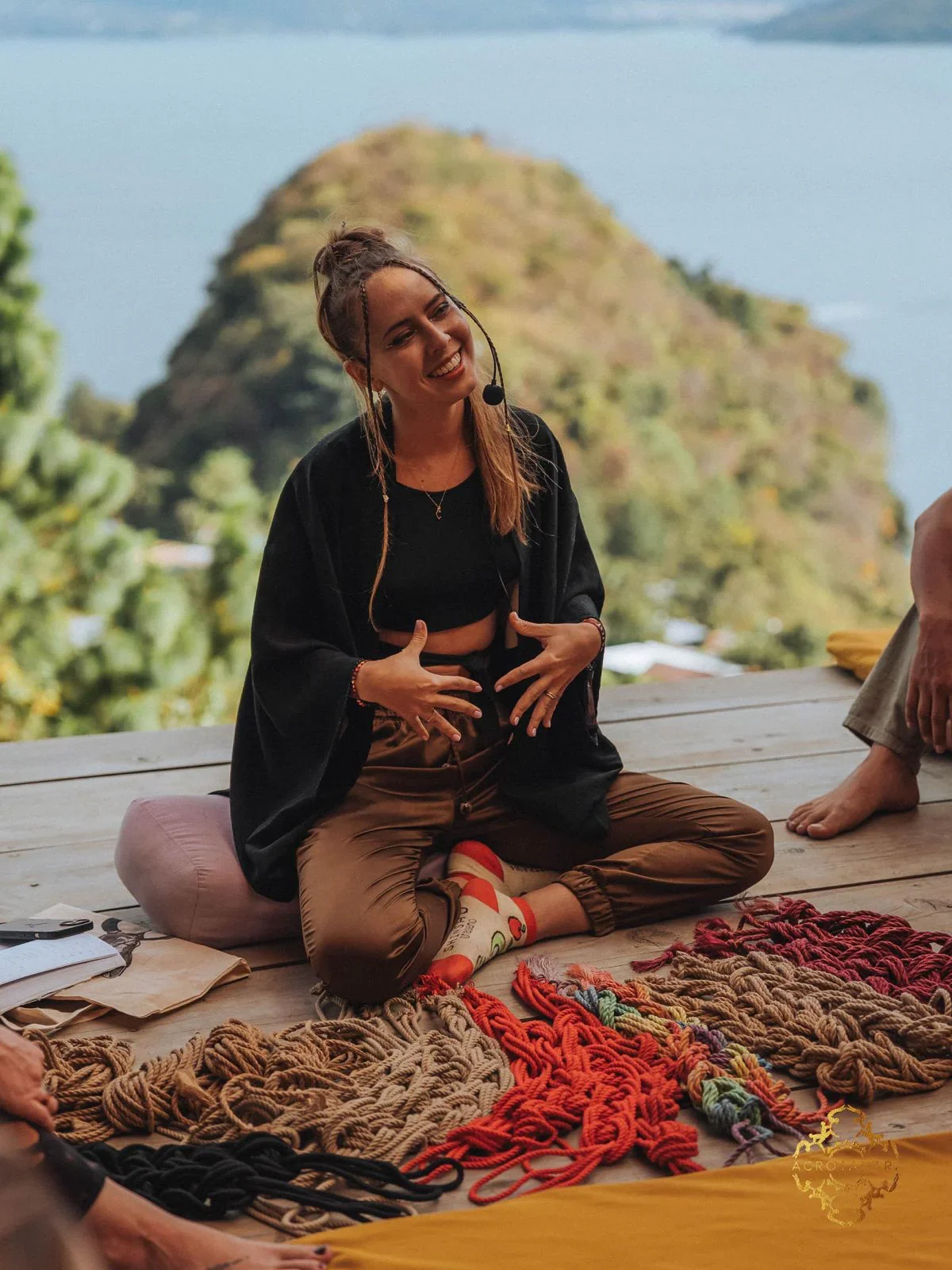
Anastasia Suazo — Voudou Ropes
Shibari artist and teacher with three years of experience leading transformative retreats across Mexico. Anastasia's approach centers on presence, sensuality, and helping people feel rooted in their body — not just understand it in their mind.
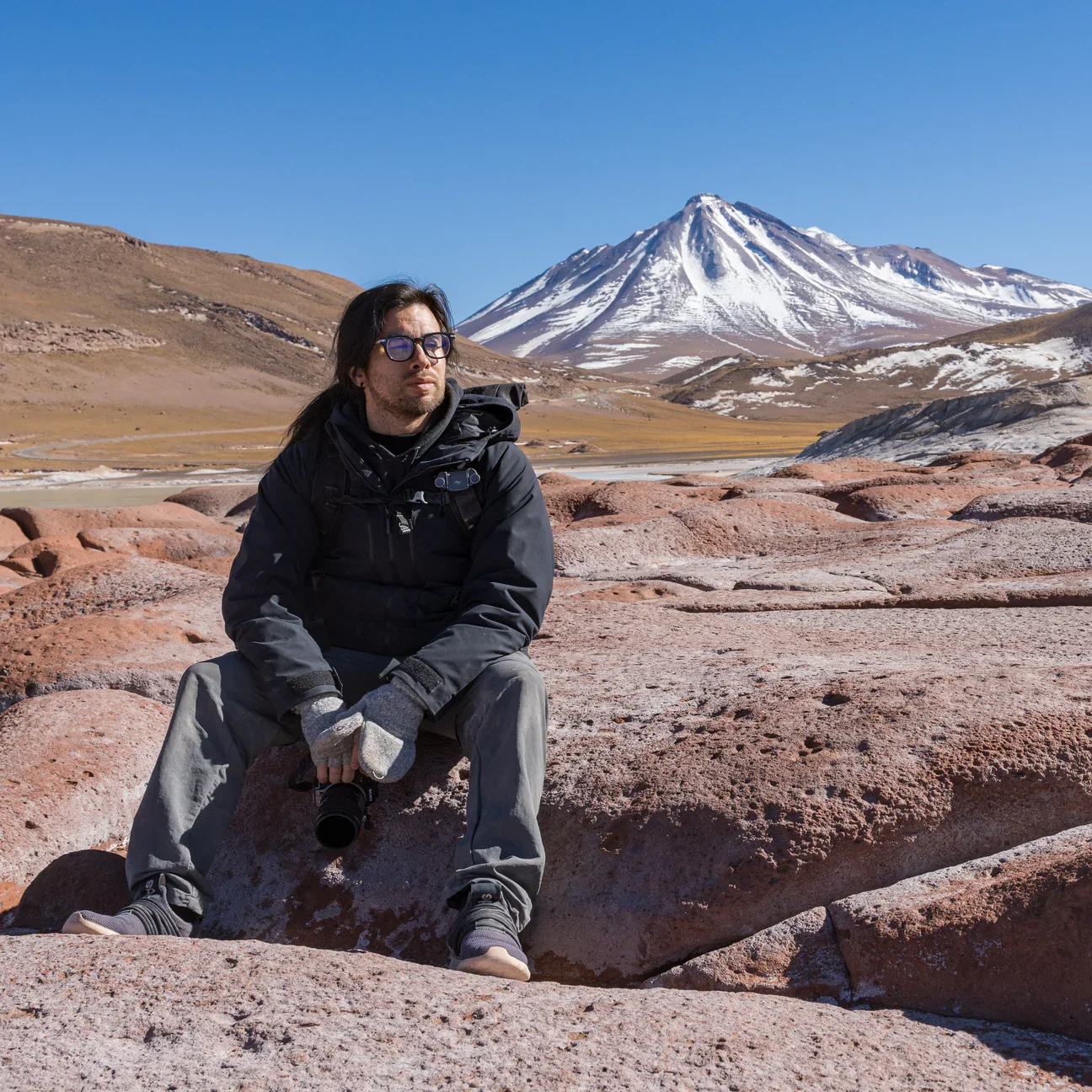
Shane Suazo — Photographer
Specializing in fine art, light, and long exposure, Shane transforms lived moments into visual memory. Throughout the retreat, he will document your journey and lead dedicated photo sessions.
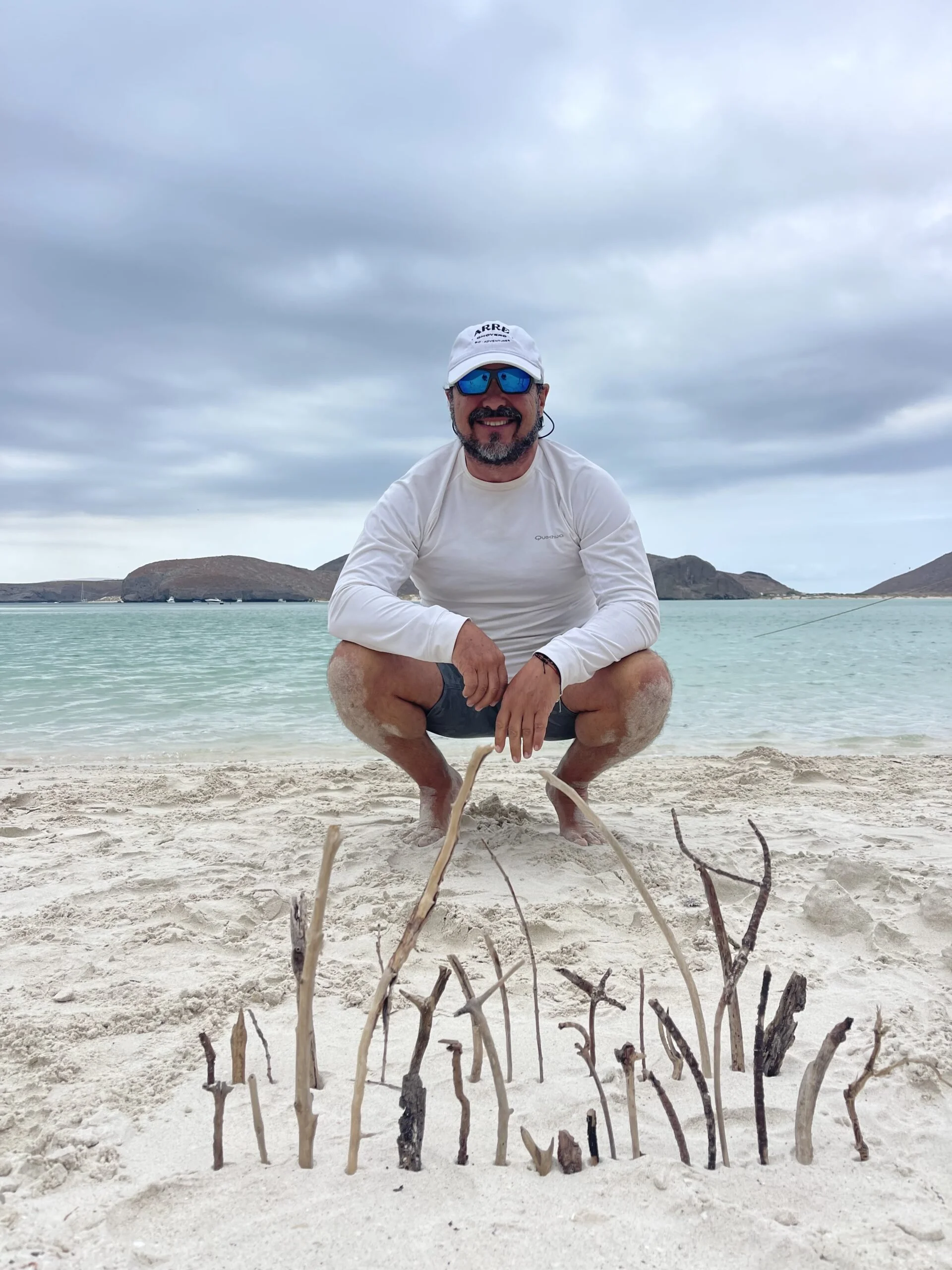
Salvador Quiroz — Arre Baja
Artist, curator, and exhibit designer with 16 years of experience exploring Baja California Sur. Founder of Arre Baja Adventures, Salvador curates experiences that connect people to one of the most striking desert and ocean environments on the planet.
Pacific Side
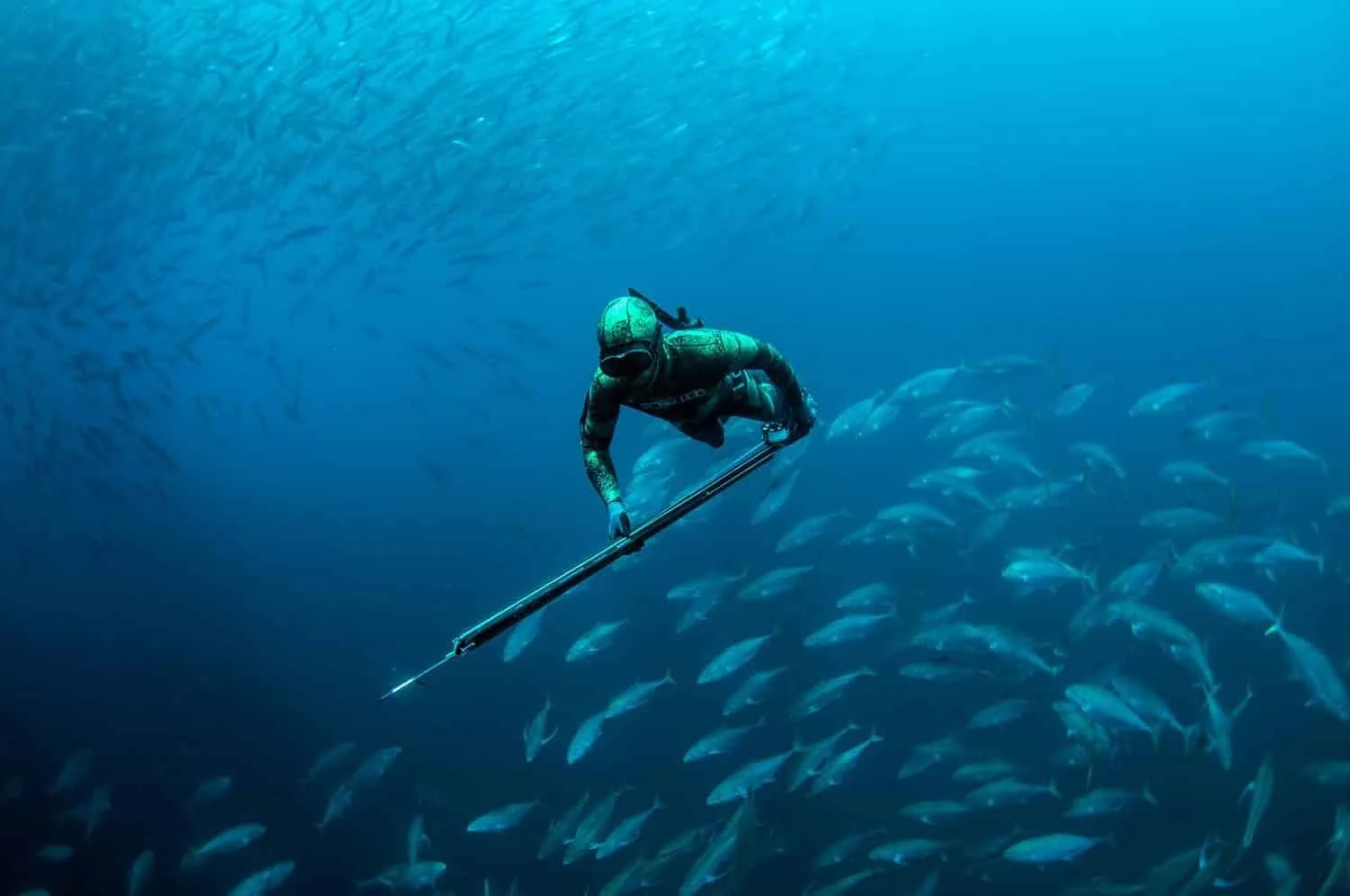
Since this retreat takes place during the first week of December, we time it to coincide with the SARDINE RUN season — when thousands of sardines flood the Pacific coastline, drawing Marlins, Sea Lions, Dolphins, Mahi-Mahi, and sometimes even whales into a stunning feeding frenzy. It’s a natural spectacle you can’t miss at this time of year.
WHAT PLACES WILL WE BE STAYING AT?
East Coast — Sea of Cortés
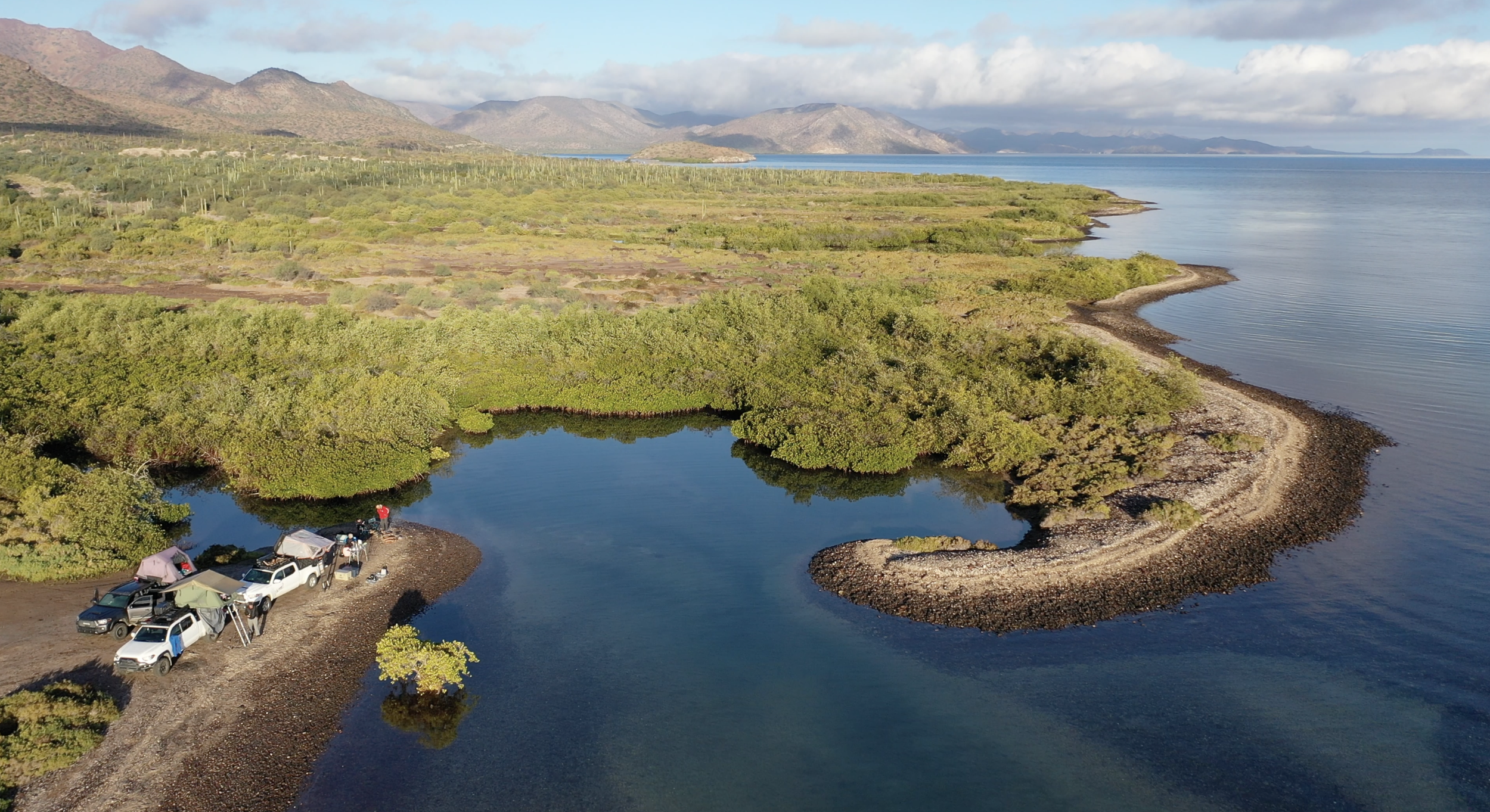
On our return route, we make a stop along the Sea of Cortés coast. The retreat itself is held on one of the most beautiful private beaches in all of Baja — a location we intentionally keep off our public materials, because we’d rather keep it to ourselves (and you). Yes, it’s that good.
Central Sierra La Laguna
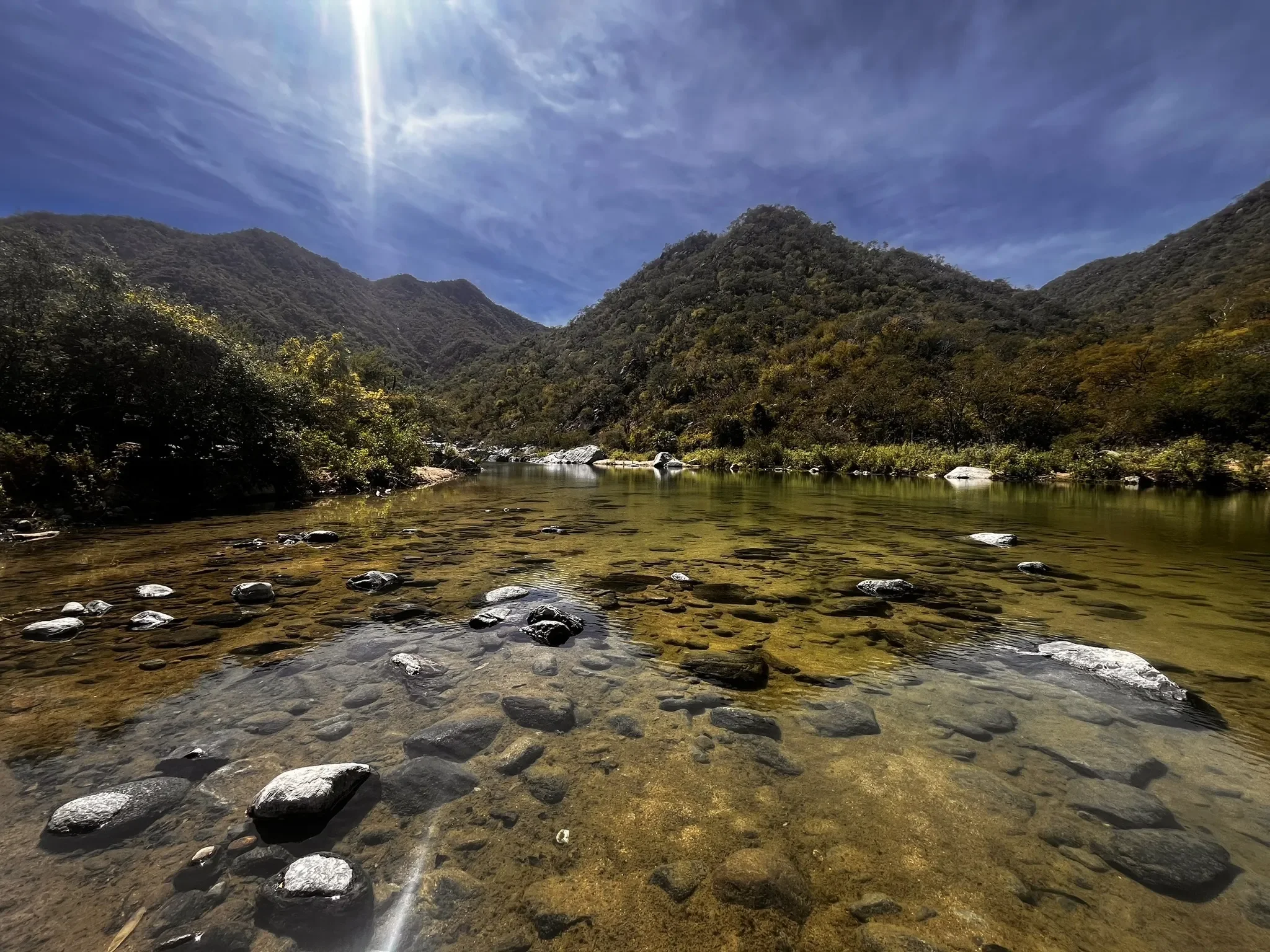
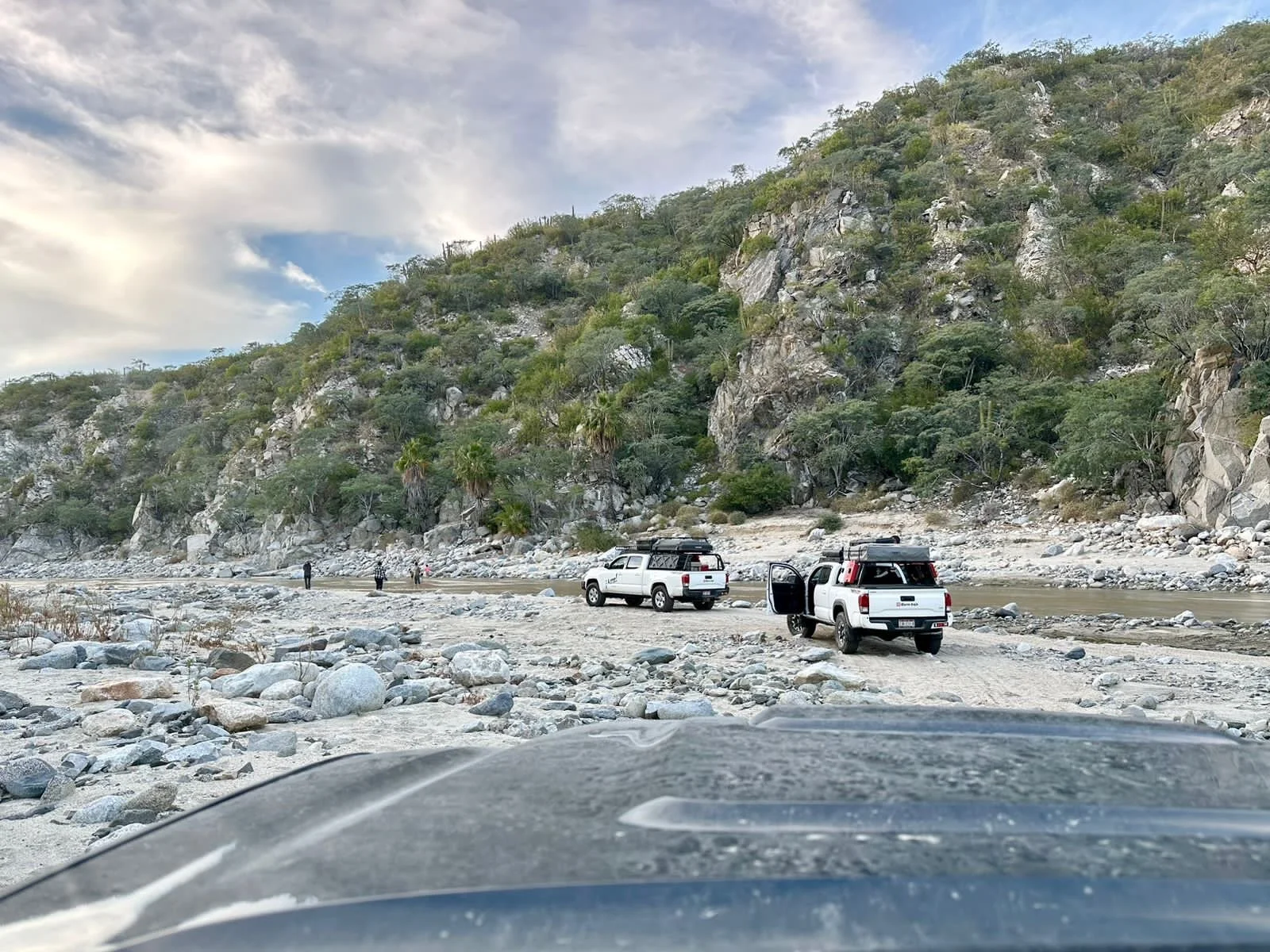
Heading back from the east coast, we pass through the Sierra La Laguna highlands, where the water that accumulates during the rainy season spills out in waterfalls and flowing rivers. This is real Baja — cowboy country — where locals produce outstanding fresh cheese, machaca, and handmade flour tortillas.
FAQs
How do we get a car?
1
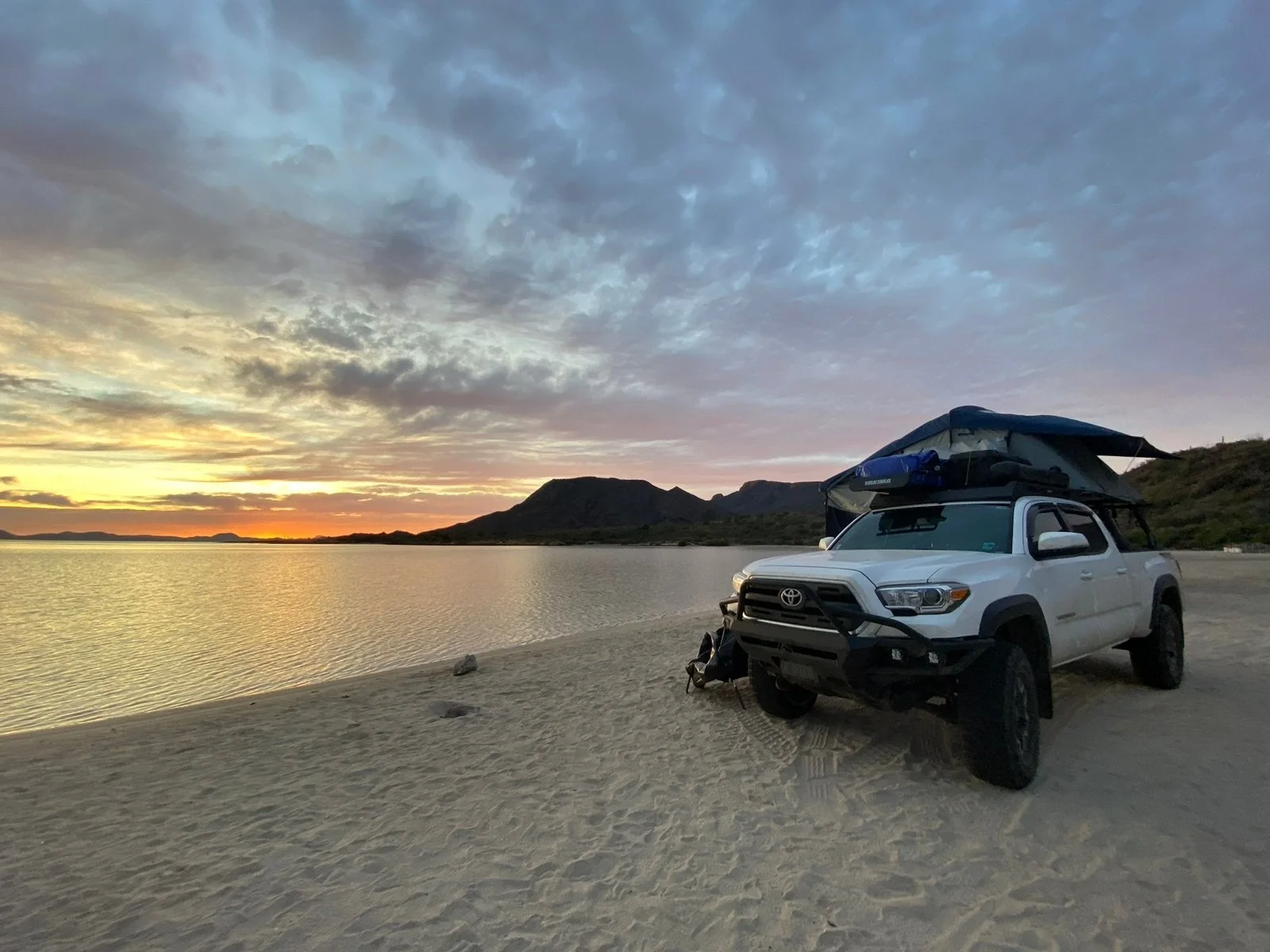
ARRE BAJA will supply perfectly well-maintained Toyota Tacoma 4x4 vehicles with all the gear necessary for overlanding the Baja Peninsula. No need to bring your own car — the rental is included in the price.
Can we bring our own car?
2
You can drive all the way down from the US border to southern Baja if you like, but since the distance is considerable and would take at least two days to cover, we prefer to provide our own vehicles for the experience. Let us know if driving your own car is something you’d like to explore.
Do we need a driver’s license?
3
Yes. Even though local authorities are very relaxed with tourism visitors, a valid driver’s license is required for insurance purposes in case of an accident. If you’re not in the mood for driving, don’t worry — we’ll sort out who takes the wheel in your vehicle. Either way, overlanding Baja is slow, scenic, and deeply enjoyable, so you’re not missing out either way. That said, travelers who volunteer to drive tend to get even more out of the stops we make along the route.
How many people per car?
4
Each vehicle fits a maximum of four people. Five is simply not comfortable, and the person in the middle back seat wouldn’t have a clear view out the window — and views are kind of the whole point. So we cap it at four per Tacoma.
What kinds of tents are there?
5
What’s the experience like?
6
Will everything be taken care of for us?
7
What’s included - and what is NOT?
7
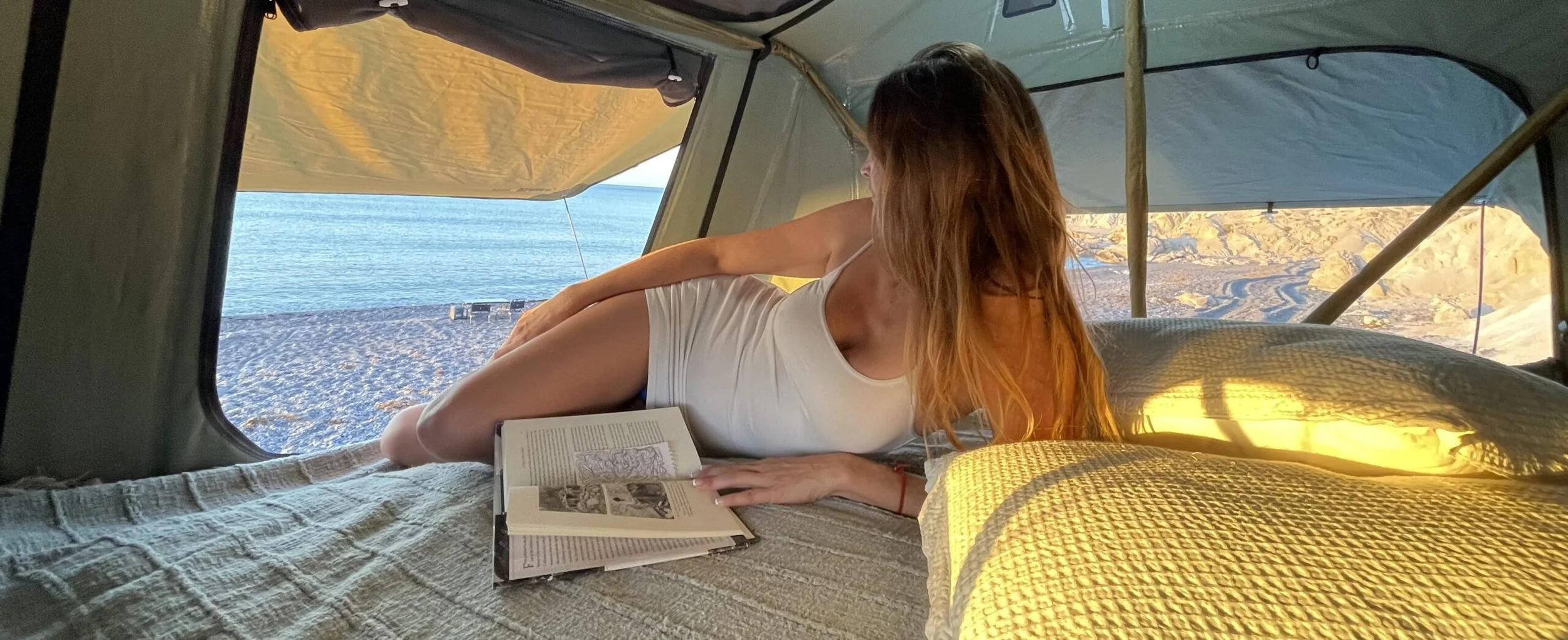
There are two types of tents: rooftop pop-up tents mounted on the vehicles — brands like ROOFNEST or THULE XL — which are elevated, spacious, and incredibly comfortable. And ground-level fixed tents equipped with EXPED inflatable mattresses, sheets, sleeping bags, and pillows for an equally restful night. Either way, you’re sleeping well.
We’ve been living here for over 15 years, roaming this peninsula, and there hasn't been a single trip when the sunrises, landscapes, sunsets, and starry skies didn’t completely move us. Daytime views feel like something out of a National Geographic shoot. Add great food, great stories, and great company — and you’ve got something that’s hard to put into words.
Yes, absolutely. But because we believe deeply in the spirit of community, we find that the experience is richer when everyone contributes just a little — passing someone a cold beer, lending a hand setting up camp, keeping the energy alive. It’s not about service; it’s about sharing and exploring together. That said, if you’d rather sit back and let us handle everything, our team has it covered.
Included: all transportation throughout the experience; all Shibari sessions and materials (rope provided); camping setup in curated natural locations; meals as outlined in the itinerary, professional photography moments throughout the trip; fire ceremonies, breathwork, and integration circles; guides and facilitators. Not included: flights to/from SJC, personal travel insurance, and personal extras.